Rummy Comparison: Solo Practice Versus Casual Competitive Play
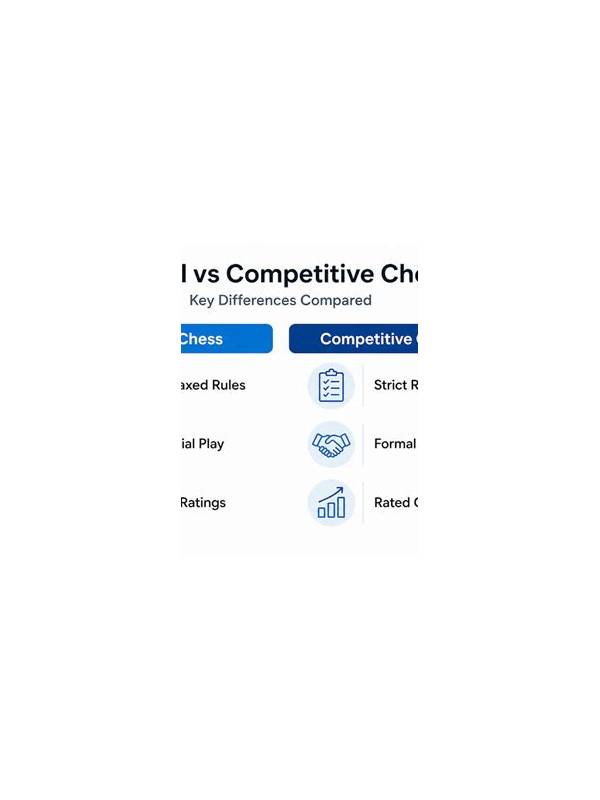
Solo practice and casual competitive play develop different parts of rummy judgment. Solo work offers control and repetition, while a casual table adds time pressure, changing opponents, and imperfect information. Neither is automatically the better choice; the right setting depends on what you want to improve.
Solo practice is useful for learning mechanics. You can deal a hand, pause after each draw, and test several possible arrangements without worrying about a clock. It is a good place to rehearse sorting, identify valid group structures, and review why a discard changes the hand. Because the environment is quiet, you can focus on one skill at a time and record recurring mistakes.
Its limitation is realism. A solo exercise may not reproduce the distraction of a live table or the uncertainty created by another player’s choices. It can also encourage endless analysis. If every position is paused until the perfect answer appears, the practice may not prepare you for ordinary decisions made with incomplete information.
Casual competitive play provides that realism with lower emotional stakes than a serious contest. You learn to keep a steady pace, notice discard patterns, and recover when an opponent takes a card you wanted. It teaches communication and table manners as well as card evaluation. A short session can reveal whether a strategy remains usable when attention is divided.
The trade-off is less control. A poor run of hands may make it difficult to tell whether the problem was a decision, timing, or variance. You may also repeat a bad habit without noticing it. A brief note after the session helps: record one decision that felt clear, one that felt rushed, and one question to examine later in solo practice.
An effective routine alternates the two settings. Use solo practice to build a method, then use casual play to test it under natural conditions. Keep the objective narrow, such as evaluating discards or avoiding premature commitments. This makes both environments purposeful and lets you measure progress by decision quality rather than by a single result. Keep the stakes appropriate to the learning objective. If you are testing a new method, a low-pressure setting makes honest observation easier. Once the method feels natural, a few casual tables can test whether you remember it while making ordinary, imperfect decisions. Progress is clearer when the setting supports learning instead of adding avoidable stress. You can also use a simple rotation: study one example alone, play a short casual block, and review one decision afterward. This sequence connects technical understanding with practical execution. It keeps practice varied enough to maintain attention while giving each session a clear purpose.
Related Post

Rummy Safety: Avoid Playing Through Fatigue
Recognizing fatigue early helps rummy players protect judgment, attention, and spending boundaries. [...]
How to Make a Rummy Error Log That Improves Decisions
A small error log turns repeated rummy mistakes into specific practice targets instead of vague [...]