Rummy Comparison: Speed of Reading Versus Speed of Acting
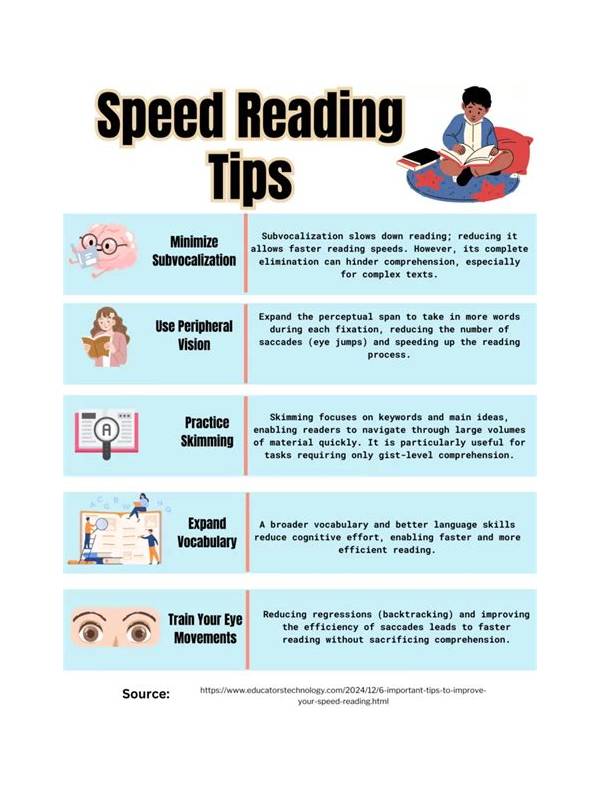
Fast play has two different meanings. Reading speed is how quickly you understand the hand, table, and available choices. Action speed is how quickly you tap or confirm a move. Improving one does not guarantee improvement in the other. A player can read quickly and still act carefully, or act quickly without understanding what changed.
Reading speed grows from organization. If cards are sorted consistently and card roles are familiar, you spend less time searching for patterns. A short inventory of finished groups, developing routes, and release candidates also reduces repeated counting. This kind of speed is useful because it creates more time for difficult decisions.
Action speed should be measured differently. The goal is not the smallest number of seconds. The goal is completing a legal, deliberate action before the platform’s limit. A brief confirmation protects against selecting the wrong card, misunderstanding a discard, or overlooking a declaration requirement.
Compare the risks. Slow reading can cause time pressure later, while fast action can turn a correct analysis into an accidental move. If you often understand the hand but click the wrong control, improve the confirmation phase. If you click accurately but cannot explain your route, improve sorting and observation instead.
Practice the two skills separately. For reading, pause a sample hand and write the current routes without making a move. For action, use a familiar position and rehearse the same short sequence: verify the new card, choose the release, confirm the destination. Familiarity should make the action smoother, not remove the check.
Your interface affects both speeds. Small screens, poor contrast, lag, and notification banners can slow reading or create action errors. Adjust display settings, reduce distractions, and avoid playing when the connection is unstable. Accessibility needs are a valid reason to use more time and larger controls.
After a session, record whether mistakes came from reading or acting. This distinction makes improvement specific. You might need better hand structure, a slower final tap, or simply a break. The strongest pace combines quick comprehension with calm confirmation, leaving speed in service of accuracy rather than treating speed as the objective.
Also compare performance at the beginning and end of a session. If reading stays clear but action errors increase, fatigue or interface strain may be involved. If both slow down, the session may have exceeded your useful length. Adjust breaks and session boundaries before trying to force more speed.
Related Post
Rummy FAQ: How Should Beginners Handle Conflicting Clues?
Conflicting table clues are a reason to reduce assumptions and choose a flexible response. [...]
Rummy Tips: Name the Next Action Before You Draw
Naming the next action before drawing keeps a player focused on a decision question instead [...]