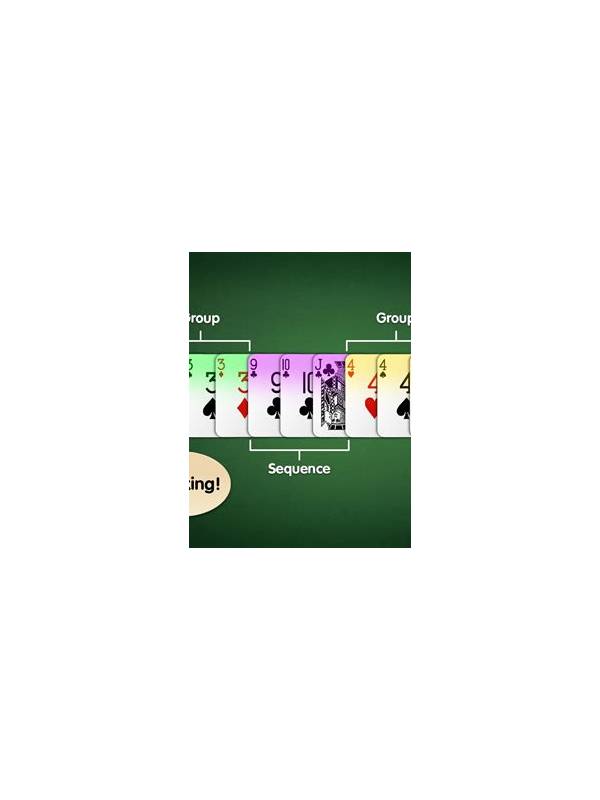
Rummy Comparison: Stock Draws and Discard Picks
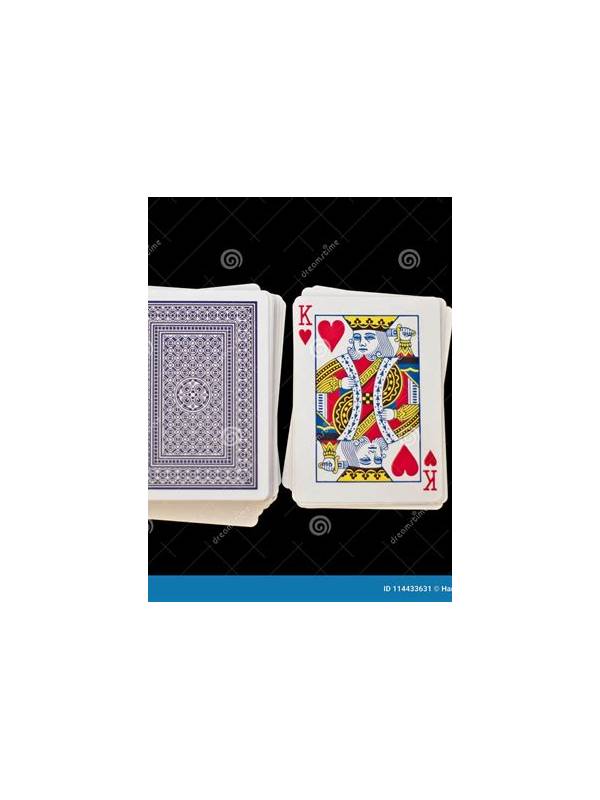
Choosing between a blind draw and a visible discard is more than a choice between mystery and certainty. Each option changes your hand and tells you something about the table. Compare the two choices by purpose instead of treating one as automatically superior.
A discard pick gives you a known card. That can complete a sequence, improve a set, or repair a difficult gap immediately. The cost is information: other players may notice what you take and infer part of your plan. Taking from the pile can also make your next discard more revealing if the new card forces a rearrangement.
A stock draw hides the card you will receive from opponents and may preserve uncertainty about your plan. It can be useful when no visible card helps, or when taking a particular discard would announce a narrow project. The trade-off is that the drawn card may not fit, leaving you to manage a new unknown without the benefit of a precise improvement.
Before choosing, name the job of the draw. Do you need a specific repair, a flexible connector, or simply a low-risk replacement? If a visible card performs the job and does not damage your wider structure, certainty may be valuable. If the visible option is only mildly attractive and would advertise an unlikely route, the stock may be the calmer choice.
Consider turn order and discarded information too. A card that appears safe may be useful to the next player, while a stock draw may deny them a known option. This is context, not a prediction. Avoid inventing a detailed story about every opponent from one pickup.
After the decision, check whether the draw improved your best route or merely added another possibility. Good play is not about choosing the same source every time. It is about matching the source to the hand’s current need, the information you are willing to reveal, and the risk of being left with an expensive or unusable card. A short comparison before drawing keeps the choice deliberate without making a quick game feel slow. There is no universal rule that the visible pile is more skillful or that the stock is more secretive. The correct source can change from one turn to the next. A visible card that was poor earlier may become exactly the repair you need, while a new stock draw may be valuable when the hand has no clear direction. Keep the comparison focused on the current hand rather than defending the choice you made on the previous turn.
Related Post
Rummy Safety: Check Your Device and Connection Before Playing
A short device and connection check can reduce avoidable interruptions and protect account access during [...]
Rummy Tips: Measure Improvement by Decision Quality
A practical way to judge rummy progress by the quality of choices rather than only [...]