Rummy Comparison: One Strong Foundation Versus Several Weak Links
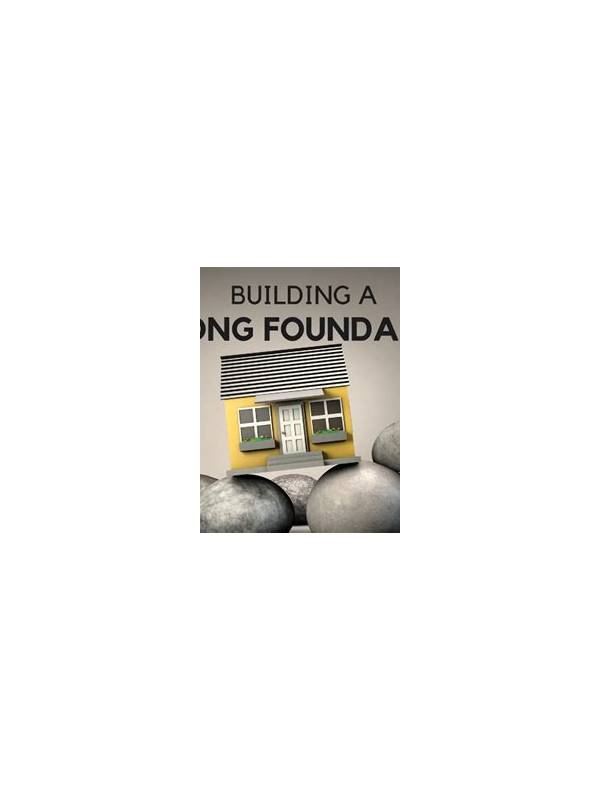
A rummy hand can look active because many cards are connected, yet still lack a dependable foundation. Another hand may contain one confirmed group and several awkward singles. Comparing these shapes helps you decide whether to consolidate or continue exploring.
A strong foundation reduces uncertainty. It gives you a group that can remain stable while you work on the rest of the hand. Several weak links offer more apparent possibilities, but they compete for the same cards and may all require future luck. Count confirmed groups separately from potential groups so the difference is visible.
Consolidation is attractive when one route can be completed with a realistic addition and the weak links are expensive to maintain. Protect the foundation, then choose the unfinished route with the lowest repair cost. This does not mean discarding every flexible card; it means limiting the number of active promises your hand makes.
Exploration may be better early when the weak links are genuinely independent. For example, two cards may support different suits and a duplicate rank may support a set without forcing you to hold many unrelated cards. In that case, keep the hand flexible while waiting for information, but set a review point.
The comparison should include timing. A foundation that is useful now may matter less than a nearly complete alternative late in the hand. Conversely, a tempting late route may be too fragile to justify breaking a stable group. Practical value comes from structure, cost, and remaining time together.
During review, draw the hand as two columns: confirmed foundation and unfinished links. Ask when the second column became too large. That moment often reveals the best lesson from the hand, even when the final result was favorable. The comparison can be made with a simple score: one mark for each confirmed group, one for each route requiring only one realistic card, and a warning mark for every shared bottleneck. The score is not a formal rule and should not override the table’s rules. It is a reminder to value stability and independence, not just the number of attractive connections. A foundation should be stable, not sacred. If breaking it creates a clearly stronger legal structure and the timing supports the change, reconsider it. The comparison is meant to prevent casual disruption, not forbid all restructuring. Use the same questions each time: what is confirmed, what is gained, what becomes stranded, and how much time remains.
Related Post

Rummy Guide: Plan Around a Known Joker
A joker is most useful when it solves a defined structural problem without hiding a [...]
Rummy How-To: Use a Two-Question Pre-Draw Reset
Two quick questions can reset attention before a draw and reduce decisions driven by the [...]