Rummy Comparison: Visual Notes or Mental Counting
Players often track cards through a mix of visual grouping and mental counting. Comparing the two methods helps you choose a routine that supports accuracy without distracting from the live hand. The best method is the one you can use consistently and privately.
Visual notes make structure obvious. Separating confirmed groups from candidates can reveal an ungrouped card immediately. A small private note can also record a required sequence or a verified unavailable card. Visual organization is especially useful for beginners and for formats with several declaration conditions. Keep notes minimal and avoid exposing them in public chat or shared screenshots.
Mental counting is faster and requires no extra interface space. Experienced players may count routes, penalty cards, or visible ranks while watching the table. Its weakness is memory drift. Similar suits and ranks can be confused during a rapid hand, and attention may be divided by chat or notifications.
A hybrid approach is often practical. Use visual grouping for your own hand and mental counting for one or two high-value observations. Do not attempt to track every card. Prioritize facts that can change your decision, such as a required group’s available route or a card that is expensive to retain.
Test each method over several practice hands. Measure missed requirements, rushed turns, and mistaken assumptions rather than only speed. If notes make you slower but more accurate, simplify their layout. If mental counting causes repeated errors, move the most important facts into a private visual checklist. A tracking method should serve judgment, not become another contest. Privacy and accuracy should guide the choice of notes. Use only information you are allowed to record, and keep personal or account details out of the record. If a note contains a card count, label whether it is verified or remembered. This prevents a doubtful memory from becoming a false rule in the next hand. Revisit your method after a week: retain the parts that reduced errors and remove anything that merely made the interface busy. A small reliable system beats a detailed system you cannot maintain. Visual notes are not automatically better because they contain more detail. A crowded layout can hide the one fact that matters. Use headings or spacing to separate confirmed groups, candidates, and deadwood, and clear old notes after the hand. Mental counting is not automatically better because it is faster. Choose the method that leaves enough attention for legality and risk, then refine it through evidence.
Related Post
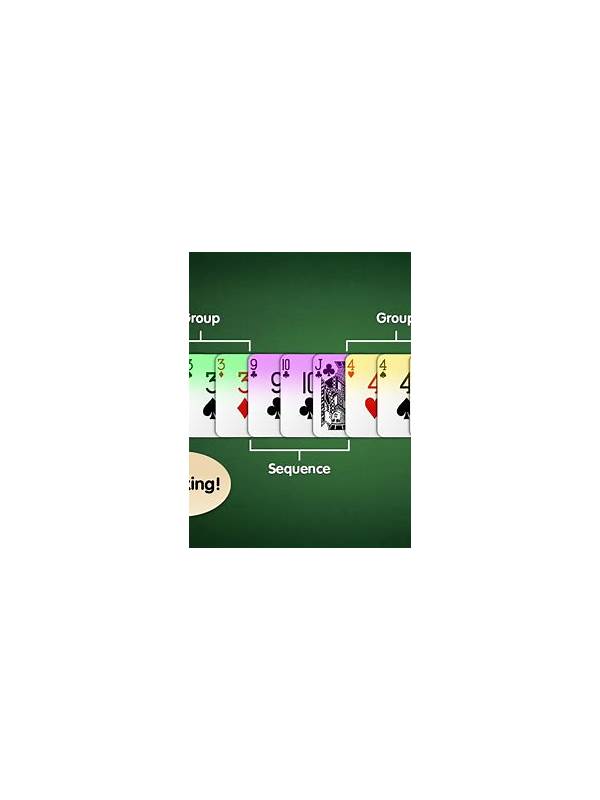
How to Use a Rummy Hand Diagram to Explain Every Turn
A simple hand diagram can make rummy decisions easier to review, teach, and remember. [...]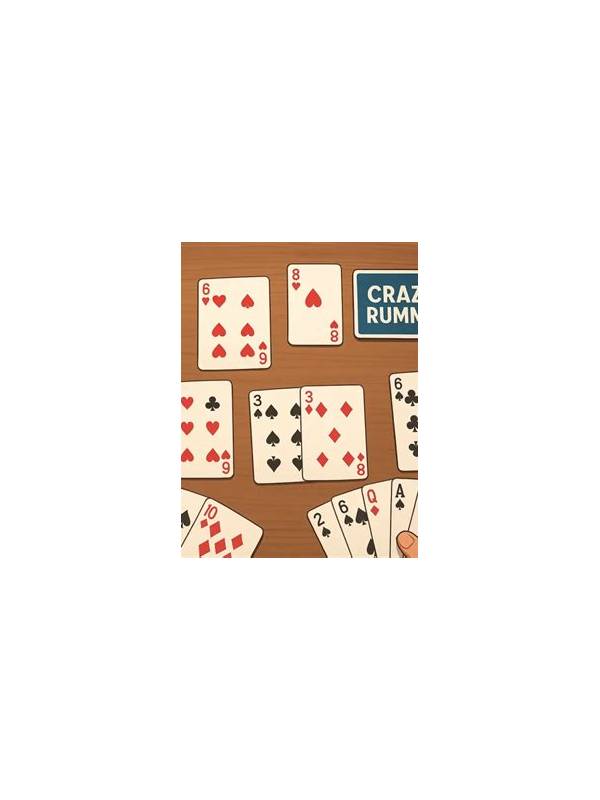
Rummy Guide: Separate Hand Shape From Hand Story
Reading the concrete shape of a rummy hand before telling a story about it leads [...]