Rummy Comparison: Written Rule Cards Versus In-App Help
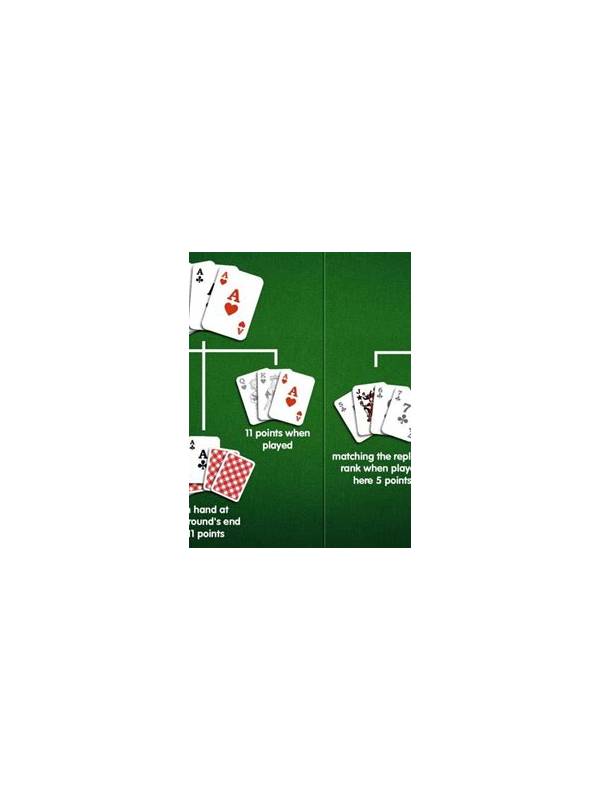
A written rule card is a short personal summary of the rules that affect your decisions. In-app help is the platform’s fuller reference. Both are useful, but they should not be treated as interchangeable. Knowing the difference keeps a convenient note from becoming an unverified source of truth.
The written card is best for speed. It can show the hand size, required sequences, joker treatment, draw order, and scoring reminder in a few lines. Keep it dated and tied to a specific variant. The shorter it is, the easier it is to consult before the first deal.
In-app help is best for authority and detail. Use it when a rule is unclear, a table has a special condition, a prompt appears unexpectedly, or a declaration is disputed. Help pages may explain exceptions that do not fit on your personal card. If the two sources disagree, pause and verify through the official channel.
Do not copy sensitive information into a rule card. It should contain game rules, not passwords, payment data, account identifiers, or private support conversations. On a shared device, consider whether the note reveals anything about your activity before displaying it.
Update the card after verification, not after memory. If you discover that a format changed, record the date and the source you checked. Remove obsolete versions so that an old summary does not remain beside the current one. For occasional players, using only official help may be simpler than maintaining several cards.
The comparison is therefore about role, not competition. The rule card reduces friction; in-app help resolves uncertainty. A careful player uses the first to remember and the second to confirm. That arrangement is faster than searching every basic detail, while safer than relying on an untested summary.
For a new variant, use the official help first and create the personal card afterward. Read the declaration examples as well as the summary because examples often reveal how ambiguous groups are treated. If the wording remains unclear, do not fill the gap with a rule remembered from another game.
Keep the verified source available until the format becomes familiar. A short note can point to the relevant help section without copying the whole page. When rules change, replace the old note promptly and mark the new date. This prevents two versions from competing during a timed decision and makes future review much easier.
That simple separation keeps convenience from replacing verification.
Related Post
Rummy Card Exposure: Limit What Others Can See
Simple screen and privacy habits help players control accidental card exposure during online rummy. [...]
Rummy Set Completion: Compare Rank Groups Without Chasing Them
A focused method shows when a same-rank group is worth keeping and when it is [...]