Rummy Discard Information: Separate Evidence From Story
Every discard reveals something, but it rarely reveals everything. A player may throw a card because it is useless, because a better route appeared, or because they want to avoid showing interest in a suit. Good observation begins by separating what you saw from the story you are tempted to tell about it.
Write the evidence in plain language. “A seven of hearts was discarded after a draw from the stock” is evidence. “That player cannot need hearts” is an interpretation. The second statement may be wrong because the player could be changing plans, holding a duplicate, or following a rule that you have not considered. Keeping the two levels separate prevents overconfidence.
Use a confidence scale. A single discard is weak evidence. Several related discards over consecutive turns are stronger. A card taken from the discard pile followed by a matching discard can be informative, but even that sequence is not a complete map of the hand. Let confidence grow gradually rather than jumping from unknown to certain.
Apply the information to your own decision. Suppose a visible discard makes one route look slightly safer. Compare that route with your existing groups, the number of repair cards it needs, and the points still exposed in your hand. Information is useful only when it changes a real choice. If it does not affect your next draw or discard, store it lightly and return your attention to your hand.
Be especially careful with apparent signals from fast play. A quick discard may reflect a short timer, a familiar layout, or a simple card that was never part of a plan. Speed is not proof of confidence. Likewise, a long pause is not proof that a player is holding a strong combination.
At the end of a hand, review one prediction. What did you believe a discard meant, and what later evidence supported or contradicted it? The purpose is not to criticize the guess. It is to improve calibration. Over time, you can become better at weighing public information while still accepting uncertainty. That balance is more reliable than trying to decode every move as a hidden message. When reviewing notes, mark the difference between an observation that changed your choice and one that was merely interesting. This keeps your attention economical. Public information should help you select among reasonable options, not become a separate puzzle that consumes the turn. If a clue has no practical consequence, let it remain background context.
Related Post
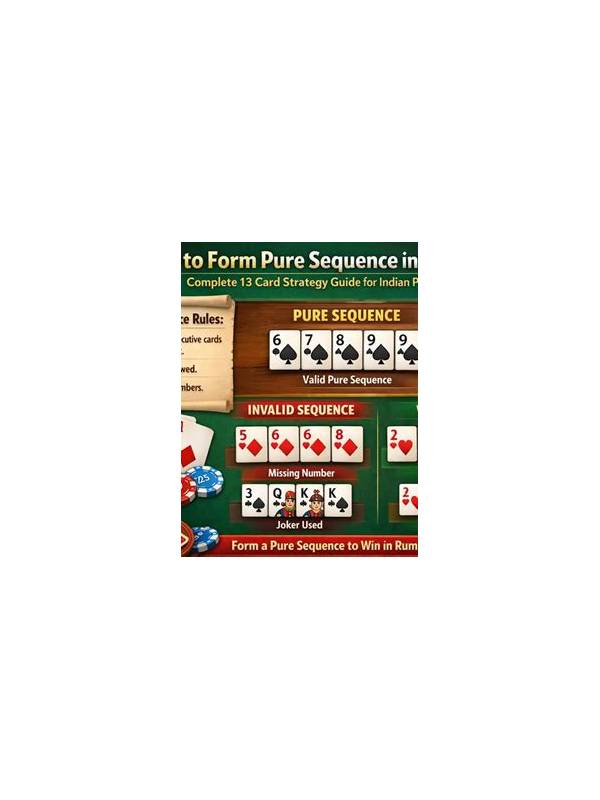
Rummy Guide: Review a Hand From the Declaration Backward
Working backward from a valid declaration exposes missing requirements before the next turn. [...]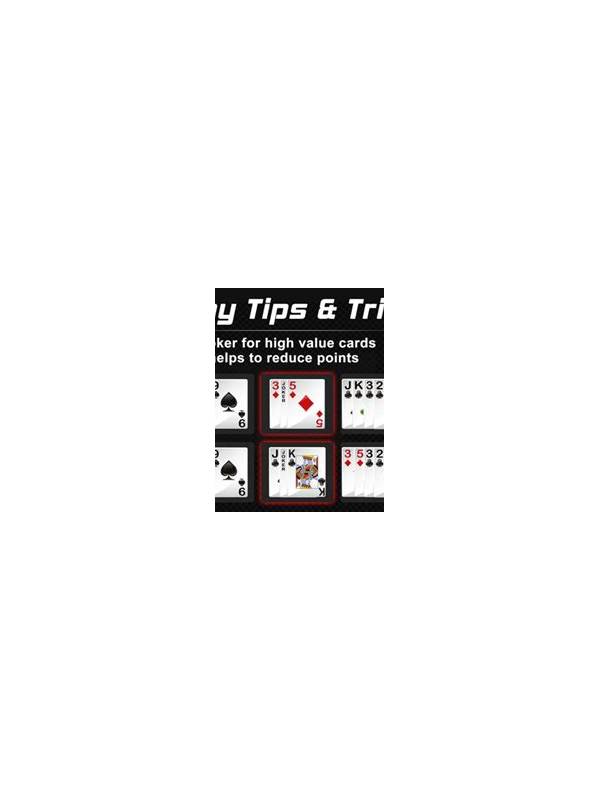
Rummy Tips: Use Empty Slots to Measure Hand Pressure
Count unresolved card roles to see whether your rummy hand is becoming cleaner or more [...]