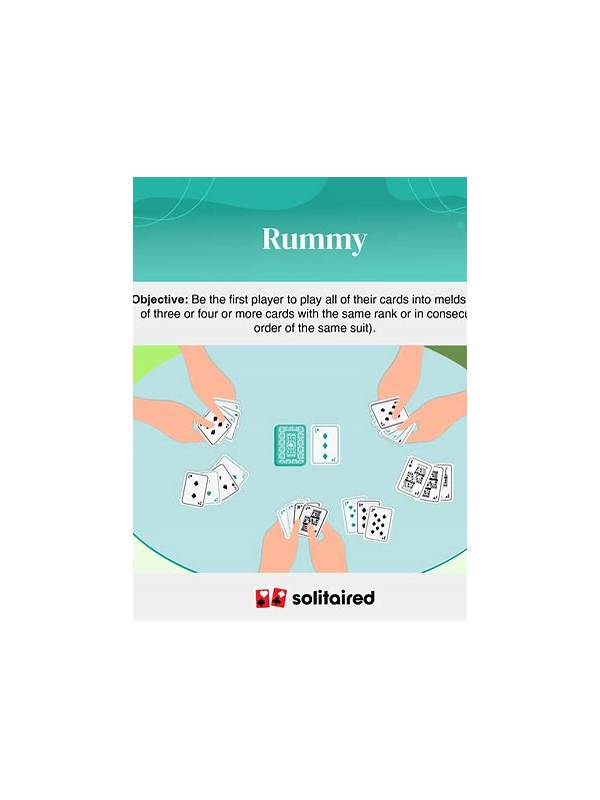
Rummy Discards: Avoid Revealing More Than Necessary
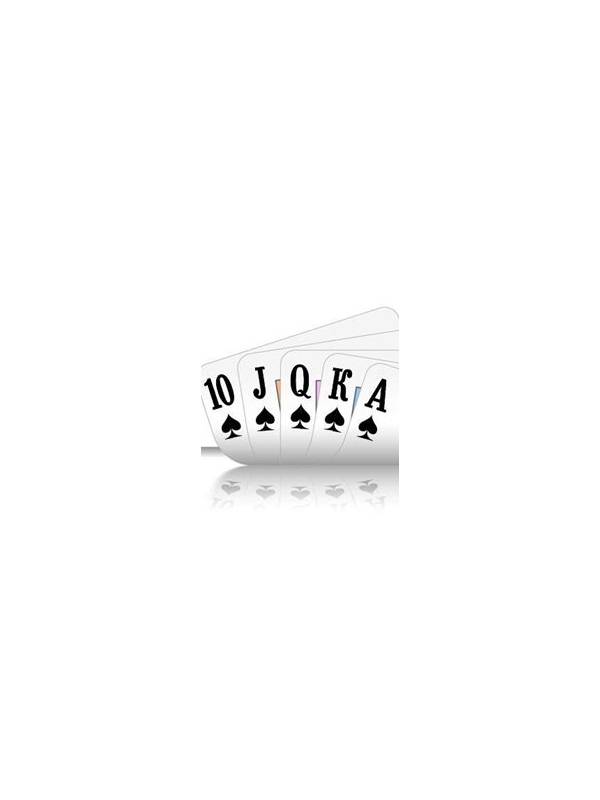
Every discard communicates something. It may suggest that a rank is unhelpful, that a suit is being abandoned, or that your hand has changed direction. You cannot hide all information, and trying to do so can damage your own hand. The practical goal is to choose a legal discard that solves your problem without unnecessarily helping another player.
Start with your own priorities. A card that is isolated, high in value, and unlikely to connect is usually a sensible candidate. Do not keep it merely because discarding a neighboring card might reveal a plan. Your hand comes first; speculation about opponents should refine a close decision rather than replace basic hand management.
When two cards are similarly weak, inspect the visible discard history. A card that another player has already ignored may be less immediately attractive, although that is not a guarantee. A card that was recently taken from the discard pile deserves more caution because it may be connected to an active plan. Use the history as one signal, not as proof of another player’s exact hand.
Avoid theatrical discards. Throwing away an unusual card to confuse opponents can create more risk than benefit, especially when you abandon a flexible connector. Online play also reduces the value of such tactics because opponents may not track every detail. Consistent, sound choices outperform complicated attempts to send false messages.
Review the discard after making it. Did it reduce your deadwood? Did it preserve a required structure? Could it have completed a group for someone else? These questions are useful even when the discard was forced. Over time, you will learn to balance private value with public information.
Good discarding is quiet decision-making. Protect the groups that matter, release the card with the weakest future, and consider the table’s visible evidence. The aim is not perfect secrecy. It is to avoid giving away useful help when two otherwise reasonable choices are available.
Remember that a discard can be forced by the card you just drew. In that situation, do not invent a complicated signal or delay until the timer becomes a problem. Choose the card that best protects your own legal structure and accept that the table may learn something. Also avoid commenting aloud on why you discarded a card in a home game; casual explanations can reveal more than the discard itself and may make other players uncomfortable. Remember that a discard can be forced by the card you just drew. In that situation, do not invent a complicated signal or delay until the timer becomes a problem. Choose the card that best protects your own legal structure and accept that the table may learn something. Also avoid commenting aloud on why you discarded a card in a home game; casual explanations can reveal more than the discard itself and may make other players uncomfortable.
Quiet, ordinary choices are usually easier to verify and less likely to create unnecessary confusion.
Related Post

Rummy FAQ: Can a Low Card Be a Bad Discard?
Low-value cards can still be strategically important, so their point value alone should not decide [...]
Rummy Safety: Build a Pre-Play Device Check
A short device routine can reduce avoidable interruptions and account risks during digital rummy. [...]