Rummy Comparison: Drawing Blind or Taking a Visible Discard
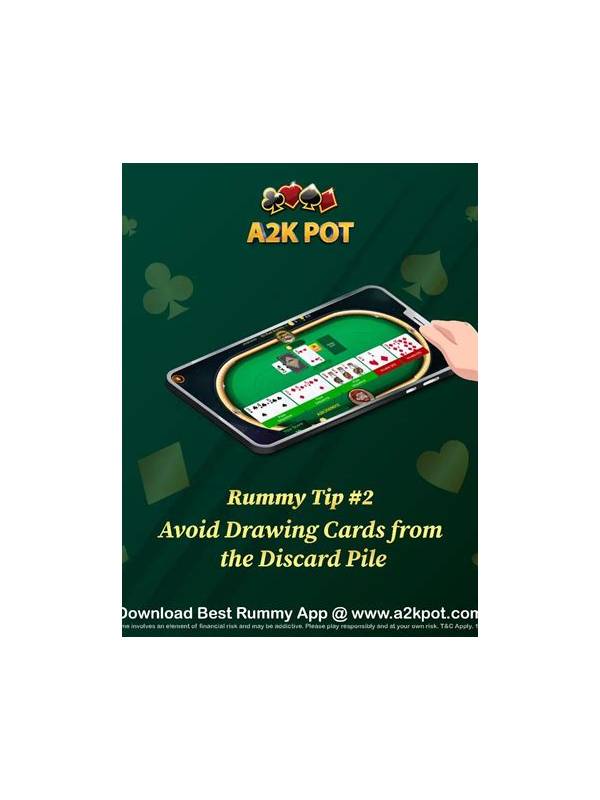
Choosing between a blind draw and the visible discard is one of the clearest decisions in rummy, but it is not simply a choice between known and unknown. The visible card may improve your hand while revealing your interest. The blind draw preserves uncertainty for everyone but may produce a card with no useful connection. Compare both the card value and the information cost.
Start with the visible discard. Identify every structure it could support in your hand. If it completes a valid sequence or set, its concrete value is high. If it only creates a pair, count the realistic finishing cards and check whether the new pair forces you to keep another weak card. A visible card is not automatically good just because it fits one plan.
Then consider the unknown draw. Its advantage is flexibility: opponents cannot see what you received, and it may open a different route. Its disadvantage is that it can leave you with another isolated card while the discard you passed becomes available to someone else. The blind option is especially attractive when your current hand already has a clear plan and the visible card adds little.
Information changes the balance. Taking a distinctive card may signal a suit or rank you are collecting. That signal is not always harmful, particularly when the card completes a strong structure, but it should be part of the decision. If a less revealing card gives nearly the same improvement, the quieter choice may be preferable.
Timing matters as well. Early in the hand, blind draws can support exploration. Later, a visible card that completes a necessary route may be worth taking because certainty has greater value. Conversely, late in the hand, taking a visible card that only creates hope can be expensive if it prevents a cleaner discard.
Use a two-line check: “What does the visible card complete?” and “What will I do if the blind draw is unhelpful?” If the first answer is vague and the second has a clear discard plan, draw blind. If the visible card solves a real problem and the alternative leaves you guessing, take it while accepting the information it reveals. A simple three-level scale helps: completes a route, supports a credible route, or merely looks interesting. The last category should rarely control the decision, especially when a blind draw keeps your hand cleaner. This keeps the method practical, focused, and easy to apply during the next ordinary turn.
Related Post
Rummy Guide: Evaluate a Card by Its Replacement
Looking at what can replace a held rummy card clarifies whether its current role is [...]
Rummy Table Entry: Check Conditions Before You Join
A quick entry review confirms the format, pace, cost, and exit conditions before a rummy [...]