Rummy Tips: Give Every Discard a Replacement Reason
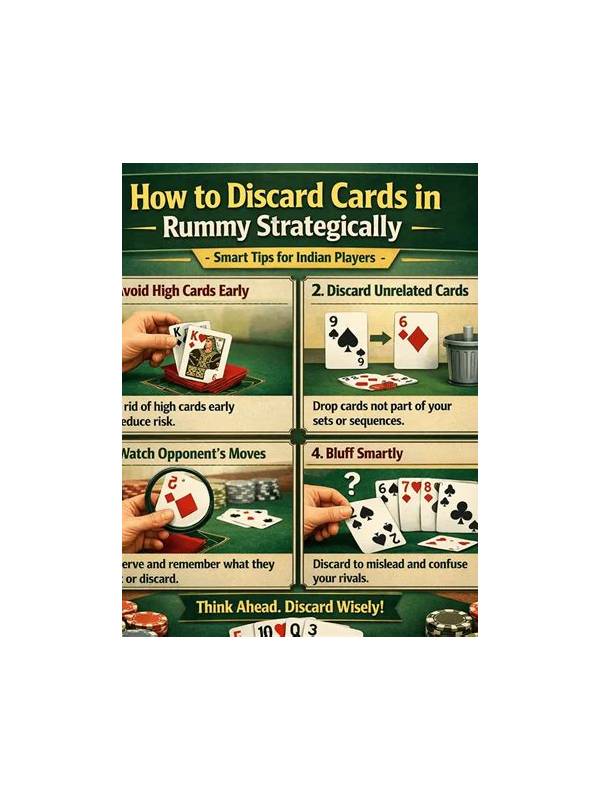
Before discarding, state the replacement reason in one sentence: “I am releasing this card because it improves my requirement,” or “I am reducing point exposure because this card has no live route.” The sentence makes the decision testable.
A good replacement reason describes the hand’s improvement, not a prediction about an opponent. It may reduce the number of loose cards, strengthen a pure sequence, lower the cost of waiting, or preserve a more flexible connector. If you cannot name the improvement, the discard may be driven by habit or impatience.
Compare the chosen card with the next weakest alternative. Sometimes the apparent discard is useful in a hidden route, while another card is both costly and redundant. This quick comparison is especially valuable when several cards have similar points.
Do not demand certainty. A reasonable reason can still lead to an unlucky result. The purpose is to make the process consistent, so that a later review can distinguish a sound decision from an avoidable error. Over time, the short explanations also reveal recurring problems, such as holding narrow routes too long.
The habit takes only a moment and fits any rummy format. Discarding becomes an active improvement rather than simply removing the card that feels least pleasant.
The reason can be short but should refer to a visible feature: “no sequence connection,” “duplicate role covered,” or “protects the required group.” If the reason is uncertain, label it as such and compare the card with the nearest alternative. After a session, review several reasons and see whether they matched the structure. A well-reasoned discard can still be followed by an unlucky draw, so assess the explanation rather than the immediate result. This creates a useful record of choices without turning every outcome into a verdict.
The reason can be short but should refer to a visible feature: “no sequence connection,” “duplicate role covered,” or “protects the required group.” If the reason is uncertain, label it as such and compare the card with the nearest alternative. After a session, review several reasons and see whether they matched the structure. A well-reasoned discard can still be followed by an unlucky draw.
Over several sessions, repeated reasons can reveal whether you favor attractive pairs, ignore point exposure, or protect weak routes too long. That pattern is a practice target, while a single unlucky draw is simply part of the game. This creates a useful record without turning every outcome into a verdict.
Related Post
Rummy Guide: Use a Constraint Ladder When Options Multiply
A constraint ladder helps narrow competing sequence ideas into a manageable next decision. [...]
Rummy Safety: Keep a Clear Record of Account Activity
A simple account record can make unusual logins, payments, and support messages easier to notice. [...]