Rummy FAQ: How Can Beginners Tell If a Plan Is Too Narrow?
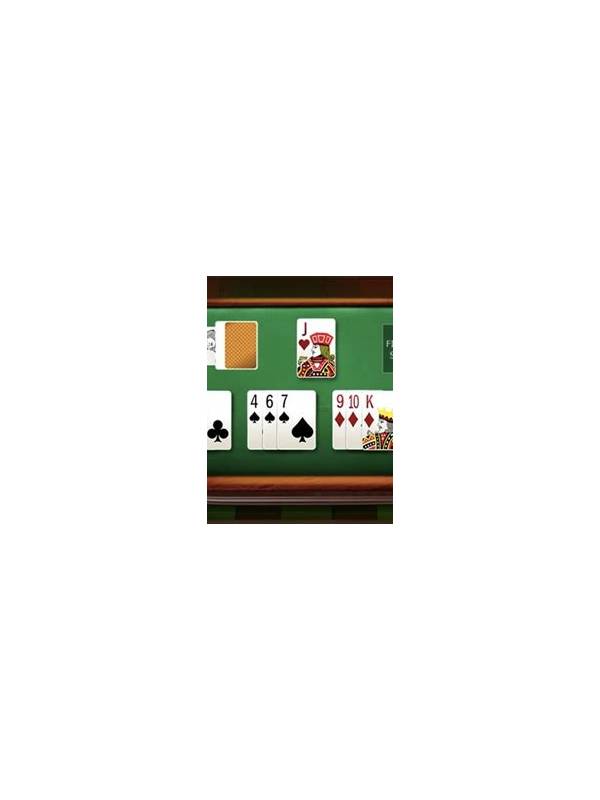
A narrow plan is one that depends on a small number of exact cards or on several assumptions being correct at the same time. It may look attractive because its final arrangement is easy to imagine. The danger is that the hand becomes difficult to repair when the needed cards do not arrive.
How can you recognize one? List the cards that would genuinely improve the plan. If the list is very short and the cards are not visible, the plan is narrow. A six-seven of one suit has more flexibility than a scattered collection that needs two exact ranks in two different suits. The number of cards alone is not enough; their connections matter.
Another warning sign is the absence of an exit route. Ask what you will discard if the next draw is unhelpful. If every card feels essential to the same idea, you may be overcommitted. A healthy plan usually leaves at least one card that can be released without destroying the entire hand.
Narrowness can also come from too many groups. Holding three unfinished clusters may feel productive, but if each one needs a separate exact card, your hand has little shared support. Compare the clusters and keep the one with stronger evidence. Use the remaining space for flexible cards or penalty reduction.
Should a narrow plan always be abandoned? No. Late in a hand, a narrow plan may be the best available route if it offers a meaningful chance of completion. The key is to acknowledge the risk and avoid treating the desired card as inevitable. In a practice hand, you can intentionally test a narrow plan, but label the experiment so the result teaches you something.
Review the plan after every draw and after meaningful discards. If its improvement cards become less likely or another group becomes stronger, change course. Planning is not loyalty to the first arrangement; it is repeated comparison under incomplete information.
Beginners can use a simple rule: count realistic improvements, identify one exit card, and reassess after the next turn. This keeps attractive but fragile ideas from quietly taking over the whole hand. One practical signal is repeated reshuffling of the same cards. If you keep moving a cluster and cannot state exactly which card would improve it, the plan may be narrow or unsupported. Stop, describe the needed links, and compare that cluster with a simpler alternative. The goal is not to avoid difficult hands; it is to make the difficulty visible early enough to respond.
Related Post

Rummy FAQ: Why Is a Three-Card Group Not Always Enough?
A three-card group can be useful while still failing to satisfy the complete validity requirements [...]
Rummy Guide: Use a Neutral Reset After a Surprising Draw
A simple reset routine for handling lucky, unlucky, or confusing draws without losing decision quality. [...]