Rummy FAQ: Can a Low-Point Card Still Be Dangerous?
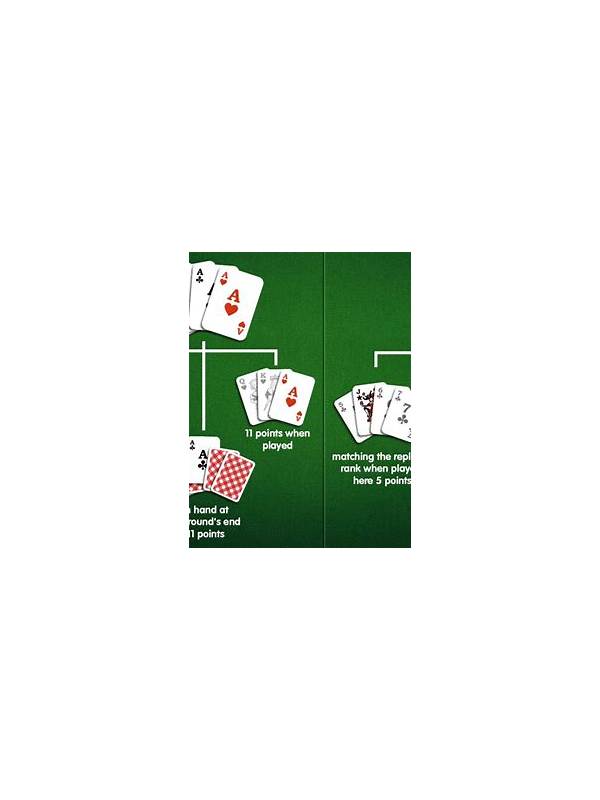
Low-point cards are often described as safe, but “safe” can mean several different things. A card may reduce the penalty if the hand ends, yet still block a useful group or give an opponent an important connection. Point value is one factor, not a complete decision.
First separate holding risk from discard risk. Holding a low card with no job may be acceptable for a short time because it costs little. Discarding that same card can be dangerous if it visibly connects to a sequence an opponent is building. The reverse can also happen: a high card may be harmless to discard when it has no relation to observed play.
Look at location and flexibility. A low rank at the edge of a sequence usually has fewer neighbours than a middle rank, but a pair or a joker can change its value. A low card in a protected pure sequence is essential regardless of its points. A low card duplicated in an unproductive pair may be a candidate for release even though keeping it feels financially comfortable.
Consider tempo. If the round is close to ending, low points can be valuable because they limit exposure. Earlier, however, holding several low cards without a plan can crowd the hand and delay the search for required groups. The best discard is often the card that combines low future value with low immediate risk, not simply the smallest number.
Avoid assuming opponents share your valuation. A low card may be useful to someone who has shown a nearby pair. A face card may be useless to an opponent who already has broad sequences. Watch what has been taken, what has been rejected, and what your own discard would reveal. Keep conclusions provisional.
Use a three-question test before acting: Does this card have a job in my current plan? Could it complete or extend a visible opponent route? If I keep or discard it, what opportunity cost affects my legal structure? The answers usually matter more than the printed point value.
In review, list the low cards you held longest and mark whether each completed a group, protected a route, reduced exposure, or simply stayed because it felt harmless. This habit teaches a valuable distinction: low points can make a card less costly, but only context tells you whether it is actually useful or safe.
Related Post
Rummy Turn Sequencing for Cleaner Decisions
A practical method for ordering the small checks that make an online rummy turn easier [...]
Rummy Strategy: Use a Decision Ladder for Difficult Draws
A simple decision ladder turns uncertain rummy draws into a repeatable sequence of questions. [...]