Rummy FAQ: Can Two Jokers Replace the Same Missing Card?
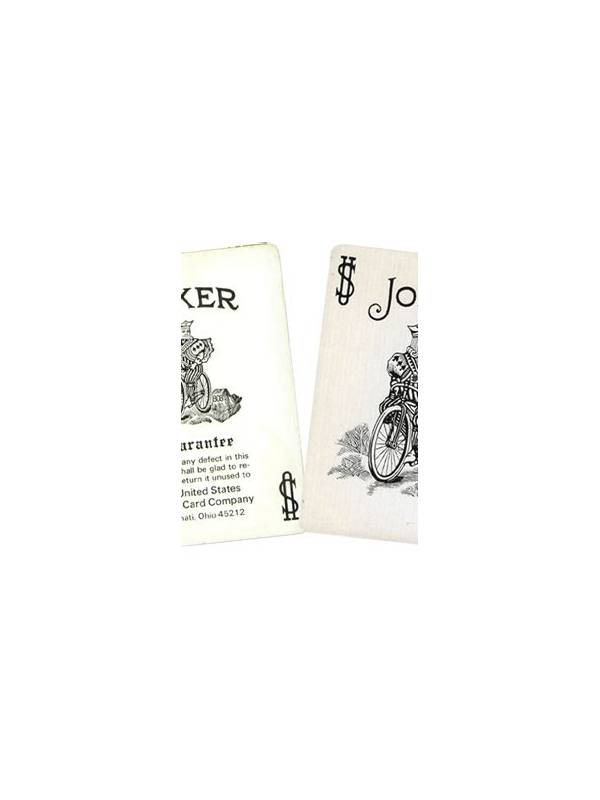
Can two jokers replace the same missing card? There is no universal answer because rummy variants define jokers, sequences, sets, and declarations differently. A player should never rely on a familiar rule when joining a new table. Read the format instructions and scoring explanation first, especially if the game uses printed or wild jokers.
The practical issue is group legality. A valid sequence usually needs cards of the same suit in consecutive rank order, with any permitted joker filling a missing position. A set generally needs cards of the same rank in different suits, again subject to the table’s joker rules. Two jokers may be allowed in a group, limited to a particular size, or treated differently when a natural card is present.
Before arranging the hand, separate three questions. First, how many total cards may a group contain? Second, does the variant require a natural card in a sequence or set? Third, can a joker stand in for the identical rank or suit position twice? The interface may prevent an illegal arrangement, but that should be confirmation rather than the only source of understanding.
A safe habit is to test the proposed group during a no-stakes practice round. If the game offers a help panel, inspect the declaration examples. Note the rule in your own words, such as “one wild card may fill one gap, but duplicate substitution is not accepted.” Do not infer a rule from another player’s arrangement because the visible cards may be part of a larger group.
If a declaration is rejected, record the exact group and the message shown. Then compare it with the written rules before trying again. The important lesson is that jokers create possibilities, not automatic legality. When the rules are unclear, pause, protect your budget, and ask the platform for clarification through its official support channel.
Remember that the number of jokers in the hand does not answer the question by itself. A wild card may be usable in one group but not another, and some formats distinguish a printed joker from a selected wild joker. The same visual arrangement can therefore have different results at different tables. Before a timed turn, make a short note of the rule that matters most. During a declaration check, verify every group independently instead of assuming that one accepted group proves the whole hand is valid. That final audit is faster and safer than repairing an invalid declaration after submitting it.
Related Post
Rummy FAQ: What Makes a Draw Worth Chasing?
A useful draw needs more than a possible match; it needs a sensible chance and [...]
Rummy App Notification Settings for Focused Sessions
Thoughtful notification settings reduce distractions and make online rummy sessions easier to control. [...]