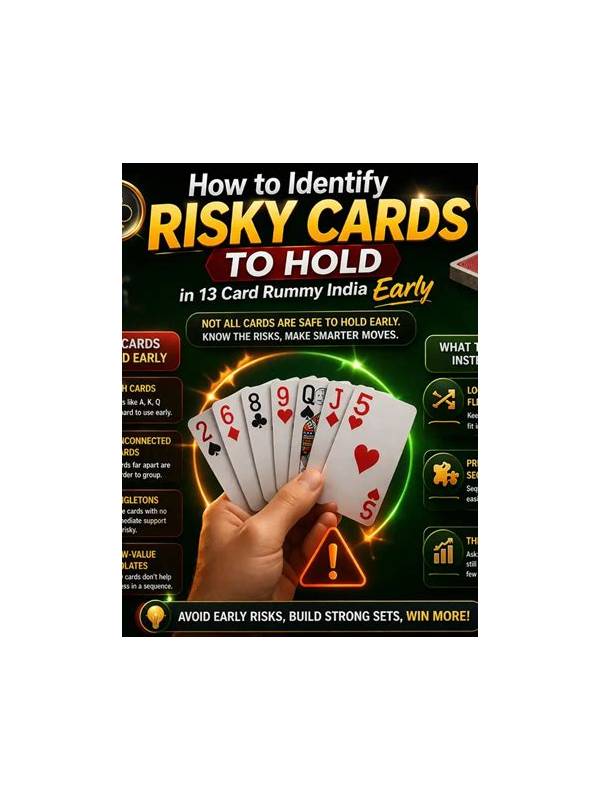
Rummy FAQ: How Do You Compare Flexible and Safe Cards?
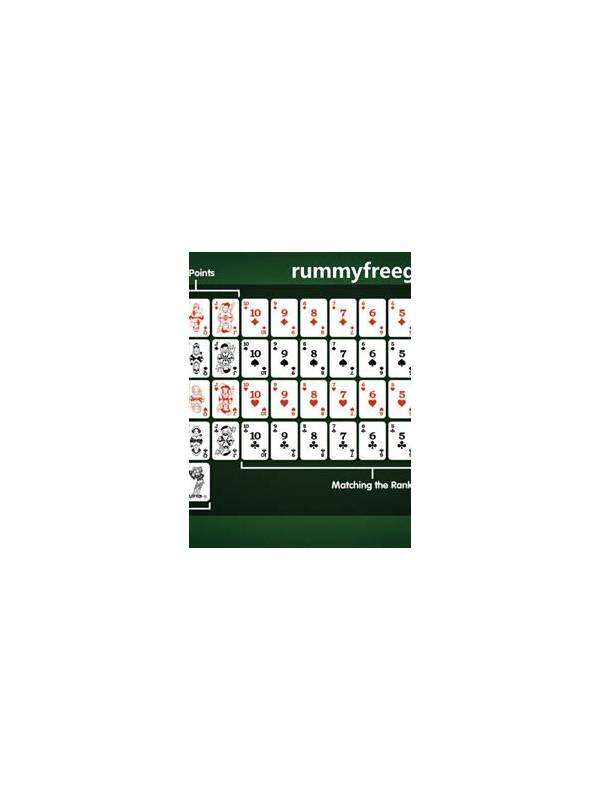
What is a flexible card? A flexible card can support several plausible arrangements. A middle card beside another card in the same suit may connect on either side, or a rank shared with a pair may help form a set. Flexibility describes future use, not a guarantee that the card will be drawn or retained.
What is a safe card? Safety usually means the card is less likely to help an opponent, based on the visible information in the discard pile and the cards you have already seen. Safety is contextual. A card that looks safe early may become attractive later when an opponent has revealed a matching pattern.
Should flexibility always beat safety? No. The right choice depends on your hand’s structure and the game’s stage. Early in a hand, preserving a flexible connector can be useful because several draws remain. Near a declaration, reducing points and protecting a nearly complete valid arrangement may matter more than keeping a card with many theoretical links.
How can I compare two candidates? Ask four questions. How many groups can each card realistically support? How many exact draws does each plan need? Does keeping it protect a pure sequence or set? If discarded, how much information or risk does it create? Write the answers in simple terms rather than assigning false precision.
Does card rank decide the comparison? Rank matters for penalty in many formats, but it is only one factor. A high card that completes a pure sequence is not automatically a poor hold. Conversely, a low isolated card can still waste space and delay a better arrangement. Consider contribution first, then penalty and risk.
How do jokers change the decision? A joker increases flexibility, but it does not make every neighboring card valuable. Compare the group the joker would complete with the alternatives available for a pure sequence. A joker-backed group can be useful while an unsupported awkward card remains expendable.
The practical answer is to use a hierarchy. Protect valid foundations, favor realistic flexibility, reduce penalty when structures are equal, and use visible information to break close ties. This keeps the comparison grounded in the hand you actually hold instead of the perfect hand you imagine might appear.
Related Post
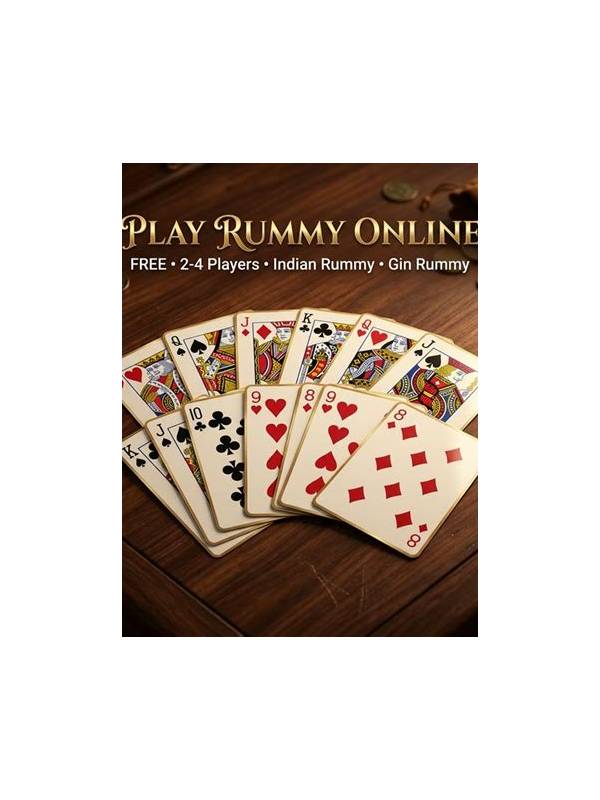
Rummy Guide: Separate Card Quality From Card Fit
A card can be strong in isolation but a poor fit for the particular hand [...]
Rummy FAQ: How Does a Wildcard Change a Sequence Plan?
A wildcard adds flexibility, but using it well still requires checking pure-sequence and grouping requirements. [...]