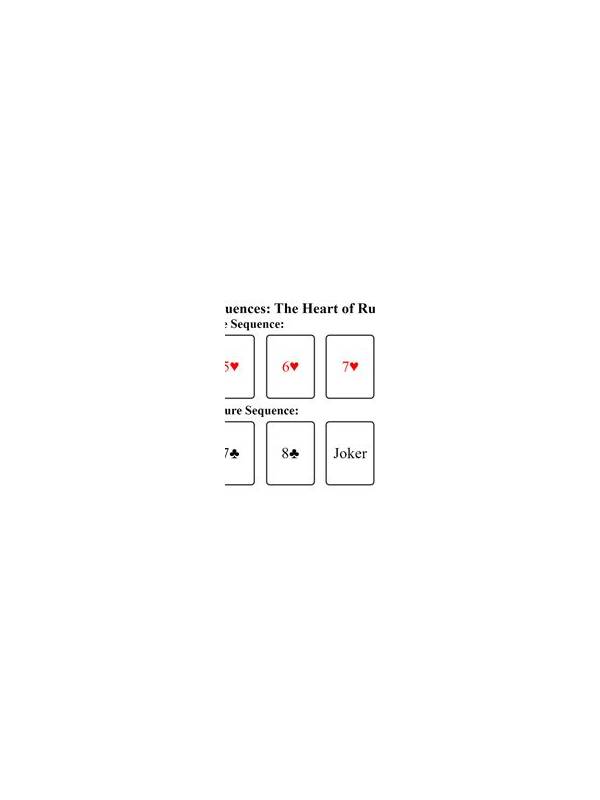
Rummy FAQ: What Is the Cost of Keeping a Second Joker?
Keeping one joker often feels comfortable because it can fill a missing position in several combinations. A second joker may seem even better, yet the decision is not automatically correct. The real question is what the extra joker contributes compared with the natural cards you must keep around it and the opportunities you give up by holding it.
Begin with the format. Some games require a natural sequence before a declaration, and some treat printed and wild jokers differently. Check whether a joker can substitute for every card, whether multiple jokers may appear in one group, and how unused points are scored. A strategy that is sensible in one variant can be illegal or inefficient in another.
Then inspect the hand’s structure. If the first joker completes a difficult group and the second protects a separate, well-supported route, both may earn their places. If the second joker is being held without a target, it may simply occupy a card slot while encouraging you to keep several weak companions. Ask what group the joker is expected to serve, what natural sequence remains necessary, and which card you would release if the joker disappeared.
The cost is also about timing. A joker held early can preserve options while the hand develops. Later, the same joker may need to be committed so that you can verify a legal arrangement. Delaying every decision because a joker is available can leave the hand crowded with unfinished ideas. Set a review point and reassess whether the joker still improves the clearest plan.
Consider information as well. Other players may notice that you collect cards around a joker, although they cannot know its exact role. Your own observation of discards can reveal whether the natural cards needed by your plan are becoming less plausible. Do not treat a joker as a reason to chase a route that has lost its supporting cards.
The best answer is therefore conditional. Keep a second joker when it supports a concrete, legal arrangement and does not require excessive weak holdings. Release or repurpose it when it has no defined job, blocks a natural sequence, or encourages you to ignore point exposure. Flexibility is valuable, but flexibility without a plan is only delayed choice.
For practice, compare two snapshots of the same hand: one with both jokers retained and one with the second joker assigned to a definite group. Count the loose cards, identify the required natural sequence, and note which plan has a clearer next discard. This exercise makes the cost visible without relying on a lucky result. It also reminds you that the second joker should earn its space through a useful role, not through its label alone.
Related Post
Rummy Turn Budget: A Simple Way to Pace Your Decisions
Learn how a small turn budget can keep a rummy hand organized when several draws [...]
Rummy Safety: Protect Your Attention From Notification Noise
A few device settings can reduce distraction and prevent avoidable mistakes during a rummy session. [...]