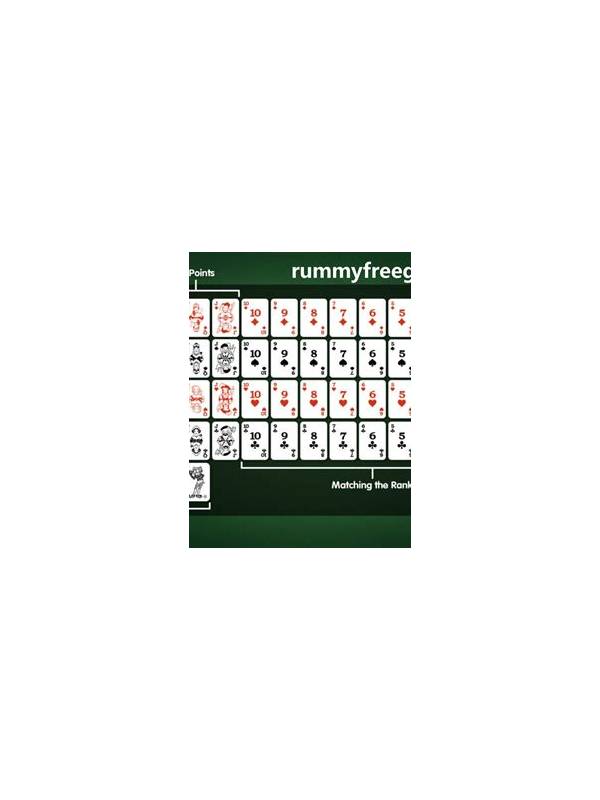
Rummy FAQ: Can a Discard Be Safe for More Than One Reason?
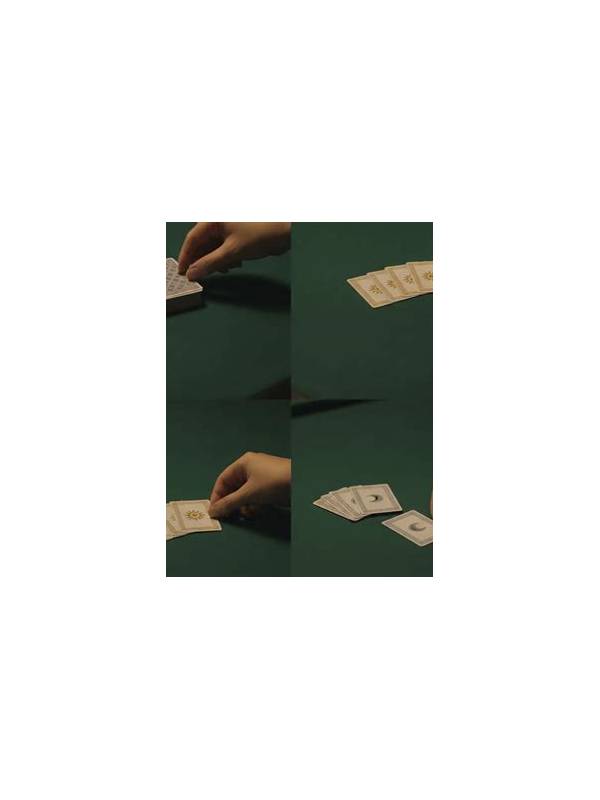
Can a discard be safe for more than one reason? Yes, although no discard should be treated as guaranteed safe unless the rules and information make that possible. A card may be low risk because it has little value to your own hand, because its neighboring cards are already visible, and because its release does not obviously help an opponent. These reasons can reinforce one another without creating certainty.
Start with your own structure. If the card is not part of a completed meld, does not connect to a promising pair, and has a readily available substitute, its opportunity cost may be small. That is the first layer of safety. Do not stop there: a card with low value to you can still be valuable to another player.
The second layer is public information. Review the discard history and any exposed melds according to the variant being played. If several cards that would normally combine with your candidate have already appeared, the candidate may be less attractive to opponents. Be careful with incomplete information, however. A missing card may be in an unseen hand rather than unavailable.
The third layer is timing. A discard that was harmless early can become dangerous after a player repeatedly takes cards from the open pile or builds a visible pattern. Conversely, a card that looked risky can become less concerning when later information removes its most obvious connections. Safety is therefore a current assessment, not a permanent property of the card.
When reasons conflict, preserve your own legal structure first. If two discards are equally useful to you, prefer the one supported by more independent evidence. Say the reasons plainly: “It breaks no strong plan, its connectors are visible, and it does not match the opponent’s shown pattern.” This explanation will not predict the result, but it creates a disciplined choice instead of a guess disguised as confidence. Remember that “safe” has several meanings. A card may be safe for your hand because it is easy to replace, safe against one visible pattern but risky against another, or safe only because the round is ending and the opponent has little time to use it. State which meaning you are using. This prevents a narrow observation from being stretched into a general promise. If the decision is important, choose a card that is acceptable across more than one interpretation rather than depending on a single story about the table.
Related Post
Rummy Rulebook Notes: Build a Personal Reference for Variant Differences
A compact rulebook note helps players avoid carrying assumptions from one rummy variant to another. [...]
Rummy Comparison: Short Notes Versus Full Hand Records
Short notes and full hand records serve different learning goals, so the better method depends [...]