Rummy FAQ: Does Drawing From the Discard Reveal Intent?
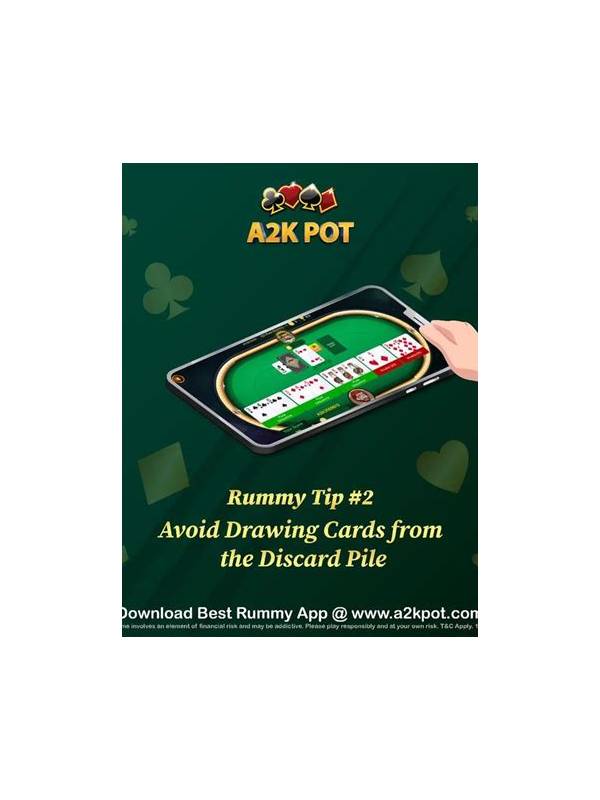
Drawing from the discard pile can reveal that a card has immediate value to someone, but the clue is limited. The player may need the card for a sequence, a set, a temporary bridge, or simply a safer alternative to a blind draw. Treat the action as evidence, not a declaration of intent.
Context matters. A card taken early in the hand has many possible explanations because players are still exploring. A late pickup may be more meaningful if it completes an obvious group, but even then the visible action does not show what the player discarded earlier or which route they abandoned. Avoid turning one pickup into a fixed story.
The next discard can add information. If the player takes a card and soon releases a related card, their plan may have changed. If they keep several connected cards, the route may be more stable. These are patterns across turns, not conclusions from one event. Your own choices should remain useful even when the interpretation is wrong.
Use the clue defensively. If a player takes a particular rank or suit, be cautious about releasing a directly connected card when you have an equally safe alternative. Do not hold every related card forever. The cost of protecting against a possible route can exceed the value of your own improvement.
Also remember that discard rules and table habits vary. Some players take a card because it is the least bad option; others act quickly without tracking what they reveal. Familiarity with a player’s style can help, but it should never replace the cards actually visible in the current hand.
A useful review question is: “What did this action make more likely, and what did it leave unchanged?” That wording keeps the clue proportional. Drawing from the discard can update your estimate of another player’s needs, but it does not provide certainty, and it should not force you to abandon a sound plan in your own hand.
The same caution applies to your own pickups. Other players may use your action as a clue, so avoid assuming that a single choice is invisible. Take the card when it genuinely improves your position, not merely to create a misleading story. Consistent decisions are easier to review and usually safer than elaborate attempts to manage what everyone else might infer.
When reviewing the clue, write down what you could have known at that moment. This protects you from hindsight and keeps the lesson transferable. The goal is disciplined updating: change your estimate when evidence changes, but never confuse an estimate with certainty.
Related Post
Rummy How-To: Rebuild Your Hand After a Forced Discard
Follow a calm sequence to recover when the card you wanted to keep must be [...]
Rummy Comparison: Open Versus Closed Draw Information
Comparing open and closed draws helps players balance useful information against hidden possibilities. [...]