Rummy FAQ: Should You Hold Two Cards From the Same Suit?
A practical way to reinforce this idea is to state the current decision in one sentence before acting. The sentence should name the evidence, the risk, and the next check. This prevents a familiar pattern from becoming an automatic rule. If the hand changes, the sentence can change too. The routine is valuable because it leaves a short record of your reasoning and makes later review easier. It also encourages patience: a card is kept for a reason that can be tested, not because it feels connected to the rest of the hand.
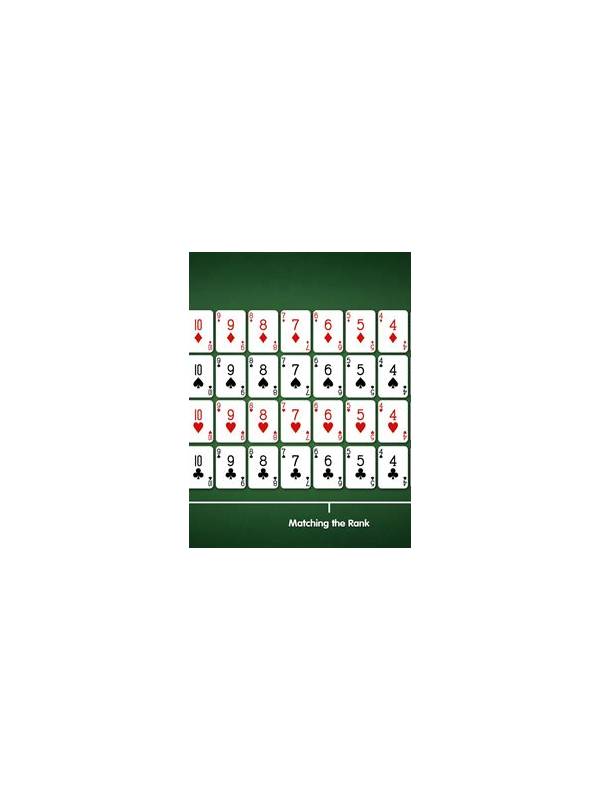
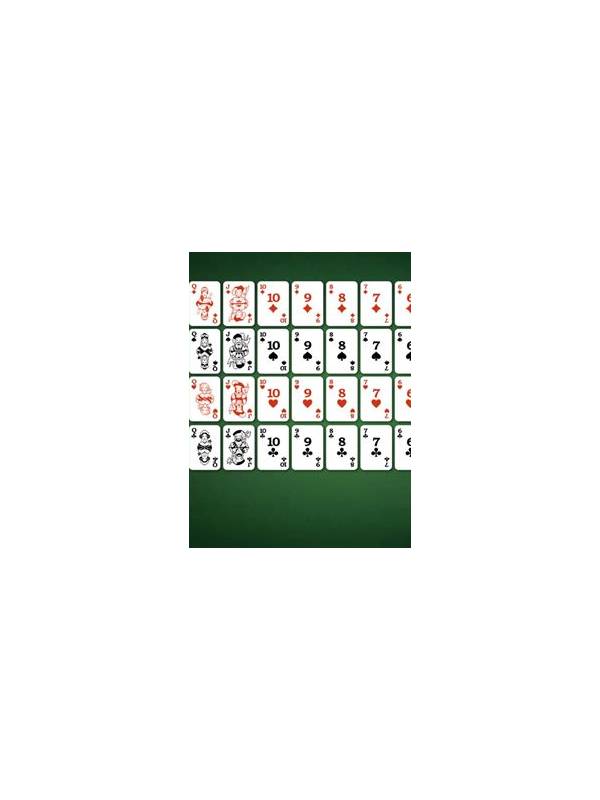
Two cards from the same suit may be useful, but the suit alone does not make them a sequence. Their ranks determine whether they are adjacent, separated by a manageable gap, or too far apart to justify holding. Always evaluate the relationship between the cards rather than the shared symbol.
Adjacent ranks usually provide a clearer route because one card may already complete a short sequence with them. A small gap can still be practical, but it should have a specific missing rank and a deadline. Widely separated ranks often compete with stronger structures and can become expensive passengers.
Compare the pair with the rest of your hand. If one card also supports a set or another sequence, its flexibility may justify patience. If both cards depend on the same unlikely draw and have no alternative role, keeping them together may simply preserve a story. Split them when the rest of the hand offers better evidence.
The open discard can change the evaluation, but never proves that a card is safe to hold. A visible card of the same suit may help complete the pair, while its absence tells you very little about the unseen pile. Use public information as context, not certainty.
The short answer is: hold two same-suit cards when their ranks create a realistic route or when at least one has a strong alternative role. Otherwise, compare them with your weakest cards by points, connections, and deadline. Shared suit is the beginning of the question, not the answer.
The same principle applies when three cards share a suit. Three cards may already form a valid sequence, may contain a gap, or may simply be separated ranks with little connection. Sort them by rank and inspect the spaces between them. If the cards do form a legal group, verify that the group satisfies any special requirement before relying on it. If they do not, compare the weakest card with the rest of the hand instead of automatically preserving all three. A visual pattern should invite analysis, not end it.
Related Post

Rummy FAQ: Is a Visible Card Always Safe to Take?
Why a tempting discard can still carry risk, and what to check before adding it [...]
Rummy Guide: Track the Cost of a Convenient Draw
A practical way to judge whether an attractive draw improves your hand or quietly creates [...]