Rummy FAQ: Should You Keep a Pair of High Cards?
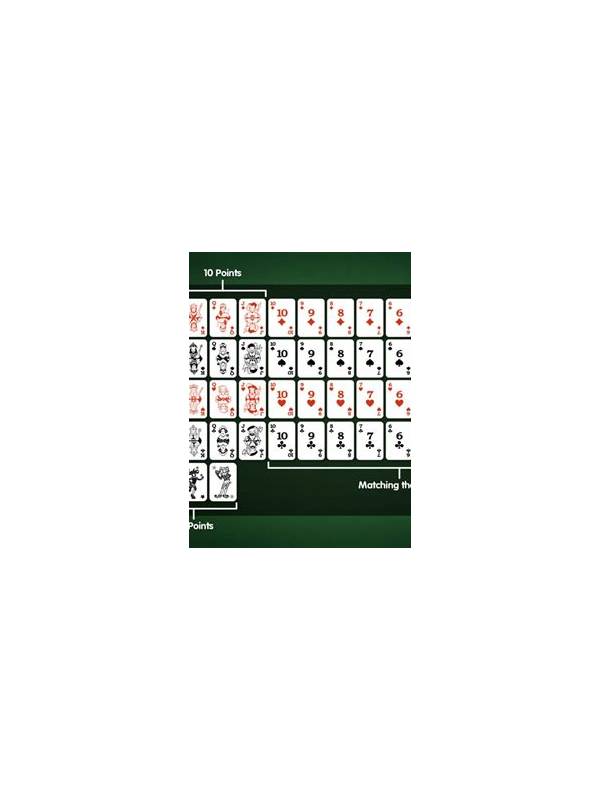
A pair of high cards can be promising, dangerous, or both. Two kings in different suits may become a set, but they also carry substantial points if left ungrouped. The correct decision depends on their alternatives, the stage of the hand, and the evidence visible in the discards.
First check whether the pair has a second route. If the cards share a suit and have useful neighbours, they may contribute to a sequence as well as a set. If they are unrelated except for rank, their value is more fragile. A pair with two realistic completion paths is easier to justify than a pair waiting for one exact card.
Then inspect the rest of the hand. If you already have a complete pure sequence and several low-value loose cards, keeping the pair for one or two turns may be reasonable. If the pair sits beside multiple unconnected high cards, it can increase your exposure. In that case, discard the least flexible high card first and avoid allowing the pair to dictate every later move.
Timing is important. Early in the game, the deck offers more opportunities and a pair may be worth observing. As the hand shortens, the cost of waiting rises. Set a review point: after a draw or two without improvement, compare the pair with a new card that could immediately strengthen another group. A plan without a review point becomes attachment.
Opponent behaviour provides clues but not proof. If a player takes a card of the same rank, the remaining copies may be less useful to you. If they repeatedly avoid a suit, that does not guarantee its cards are available. Use visible information to adjust confidence, not to make absolute assumptions.
The safest habit is to keep high-card pairs only when they remain part of a broader structure. Before each turn, say what card would improve them and what you will do if it does not arrive. If the answer is “keep waiting,” you may already be paying too much. Rummy rewards plans that reduce points while preserving options. A pair is good when it supports that goal, not simply because matching ranks look satisfying. There is also a psychological trap in pairs: matching cards feel like progress even when they have not reduced your actual risk. Use a written or mental deadline to counter that feeling. At the deadline, evaluate the pair as if you had just received it. If you would not choose it now, release it. This reset makes the decision depend on current evidence rather than on turns already invested.
Related Post

Rummy How-To: Create a Quiet End-of-Session Routine
A quiet end-of-session routine closes play with a record, boundary check, and clear stopping point. [...]
Rummy How-To: Make a Pre-Session Readiness Check
A short readiness check confirms that your time, device, mood, and limits are suitable before [...]