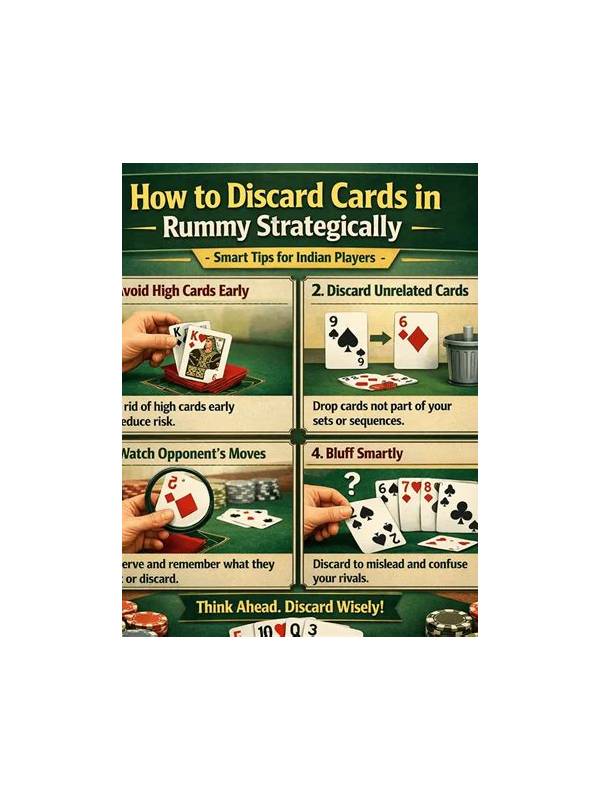
Rummy FAQ: Should You Keep a Pair When the Hand Is Crowded?
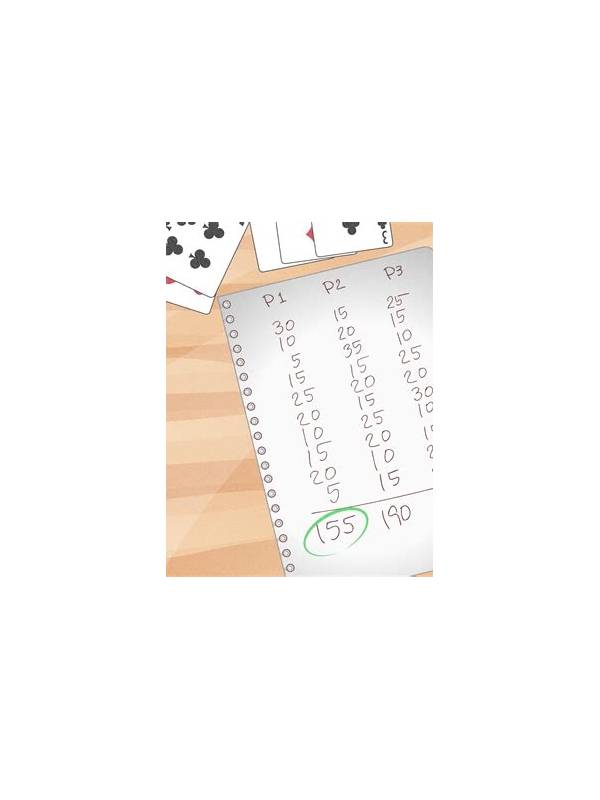
Should a pair always stay in the hand? No. A pair can be useful, but its value depends on the rest of the cards, the available routes, and the cost of waiting. Keeping every pair automatically can leave too little room for structures that are already closer to completion.
Start by asking what the pair can become. It may form a group if another copy appears, or one card may connect to a sequence while the other becomes a discard candidate. A pair with several realistic uses is more flexible than a pair that depends on one exact card. Write the distinction in plain language: “two possible groups” is stronger evidence than “these cards look promising.”
Consider whether the pair blocks a safer arrangement. If one card from the pair can complete a sequence with cards already held, separating the pair may improve the hand. Conversely, breaking a pair may be unwise when the remaining card becomes an expensive isolate and the alternative route is very narrow. The comparison should include the whole hand, not just the pair’s appearance.
Timing matters as well. Early in a hand, a flexible pair may deserve a little time because several routes remain open. Later, when the discard pile has removed useful copies or another player looks close to finishing, waiting becomes more costly. A pair that was reasonable to hold earlier can become a release when the information changes.
Before drawing, decide what you would discard if the next card is unrelated. This question exposes whether the pair has a real role or is being protected out of habit. If you cannot name a likely release, reorganize the hand and compare the pair against the weakest complete or near-complete structure.
The answer is therefore conditional: keep the pair when it supports a practical plan and preserves a sensible fallback; release it when it only represents hope or prevents a clearer arrangement. Reviewing that distinction after the hand builds better judgment than counting how often a pair eventually paid off.
The same question applies when a pair is low in value. Low penalty does not automatically make it correct to hold, but it may buy time while you gather information. Conversely, a high-value pair should face a higher standard because a failed wait can leave a costly remainder. Treat the pair as one part of a changing arrangement, and revisit its role whenever a new card completes, blocks, or weakens another route.
Related Post
Rummy Practice Targets: Improve One Decision Skill at a Time
Design focused practice sessions that test one rummy decision habit instead of chasing every possible [...]
How to Compare Rummy Rules Before a New Format
A short rules audit helps players avoid confusing familiar habits with the requirements of a [...]