Rummy FAQ: Should You Keep Two Separate Pairs?
Keeping two separate pairs in a rummy hand is neither automatically wise nor automatically wasteful. The right choice depends on how each pair can develop, how many cards are uncommitted, and how long you can afford to wait. Treat pairs as possible routes, not as finished groups.
Begin by checking whether the pairs are in the same suit or different suits. A same-suit pair may have a straightforward sequence path if the ranks are close. A pair with a wider gap may need several specific cards and therefore deserves a shorter deadline. A different-suit pair can diversify your options, but it may also consume attention without creating a natural sequence.
Then compare the number of useful improvements. If one pair can accept cards on both sides and the other can accept only one rank, they are not equal. Also check whether either pair overlaps with a card already supporting another group. Shared possibilities can be efficient, but they create competition: one drawn card may solve only one of the two plans.
Your remaining cards matter as well. If the rest of the hand contains a promising sequence and one high-value singleton, keeping two pairs may leave too little room to repair the singleton. If several cards are already isolated, preserving both pairs may be reasonable while you wait for information from discards.
Set a review point before the next few turns. At that point, ask whether either pair gained a second connection. If neither did, release the weaker route rather than defending both out of attachment. This deadline is especially helpful when a pair feels attractive simply because it has been held for a long time.
Finally, remember the objective of the hand: form valid groups efficiently, not collect pairs. A pair is valuable when it improves the whole arrangement and keeps future decisions open. It is less valuable when it prevents you from reducing risk elsewhere. Compare both pairs by flexibility, cost, and timing, then make one clear choice.
The same test works when a pair is tempting because it matches a familiar pattern. Familiarity can make a route feel safer than it is. Cover the pair briefly, look at the remaining cards, and ask whether you would choose it again with no history attached. This small reset reduces attachment and keeps the decision tied to the current hand rather than to the effort already spent holding the cards.
Related Post

Rummy Tips: Separate Hand Improvement From Score Protection
Balance ambitious meld-building with the need to reduce penalty exposure as a rummy round develops. [...]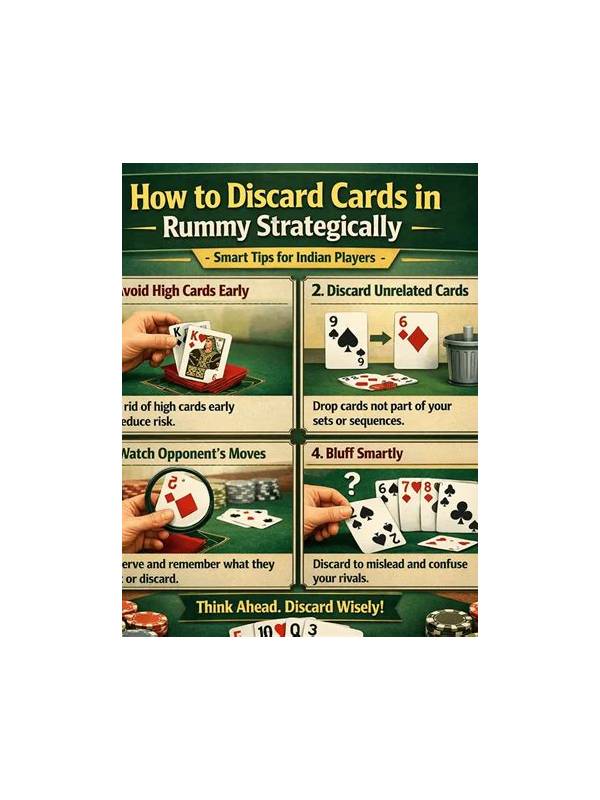
Rummy Tips: Give Your Discard a Destination Test
Before releasing a card, ask where it could help and whether that possibility is meaningful [...]