Rummy FAQ: What Should You Do With a Lone High Card?
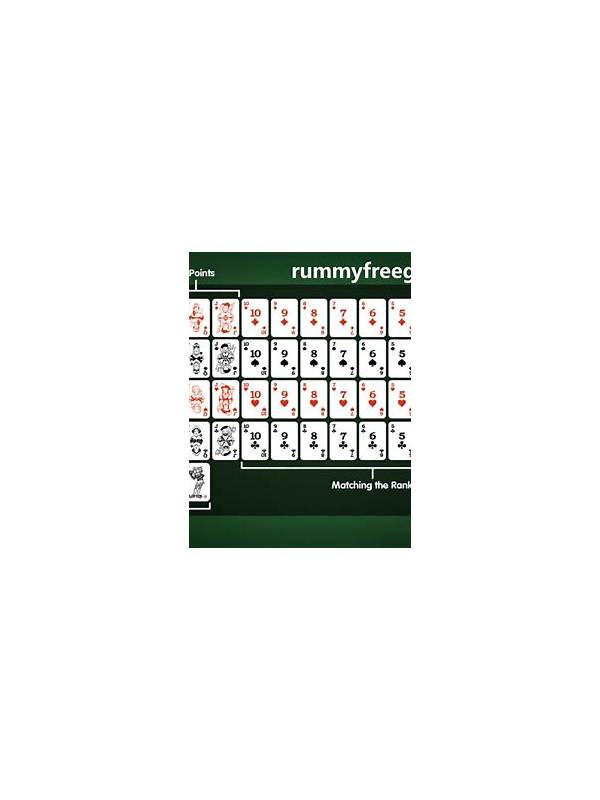
A lone high card is a card that has no matching rank, no same-suit neighbor, and no obvious place in the hand. It can be uncomfortable because face cards and tens often carry more penalty points than low cards. The usual answer is to consider discarding it, but the best timing depends on the rest of the hand.
First, check whether the card is truly isolated. A queen beside a jack or king of the same suit is not a lone card; it is a sequence candidate. A queen that matches another queen may support a set. Even a single high card can become useful if a joker or a nearby rank has already created a credible structure. Do not discard simply because the card is high.
If the card has no connection, compare it with your other loose cards. A low unconnected card is cheaper to keep for one more turn, while a high unconnected card increases the cost of a failed plan. This is especially important when you are still searching for a pure sequence. Protect the cards that serve the format’s basic requirement before holding speculative high-card pairs.
Timing also matters. Early in a hand, a high card may be worth one draw if it sits next to a useful rank in the open information. Later, when your hand is nearly arranged, keeping an isolated queen for another cycle can prevent you from reducing risk. Set a deadline: if no connection appears by that point, release it rather than hoping indefinitely.
Think about the discard pile as well. If the same rank has appeared repeatedly, its set potential may be shrinking. If nearby cards of the same suit have been discarded, a sequence plan may also be less practical. You do not need to know every hidden card; you only need enough evidence to avoid treating an unlikely draw as certain.
Before discarding, make a quick checklist: Does it belong to a confirmed group? Does it support a likely group? Does it help create a required pure sequence? Is its point value high enough to make delay costly? If the answers are mostly no, the lone high card is a reasonable candidate.
The goal is not to eliminate every high card immediately. The goal is to keep cards with a clear job and give uncertain cards a controlled amount of time. That balance protects points while leaving room for a useful draw.
Related Post
Rummy Comparison: Learning From Results Versus Decisions
Comparing outcome-based review with decision-based review shows why a loss can still contain useful progress. [...]
Rummy FAQ: Why Does Sequence Length Matter?
Understand how short and long sequences affect flexibility, legality, and the number of decisions left [...]