Rummy FAQ: Why Is a Low-Point Card Sometimes Hard to Discard?
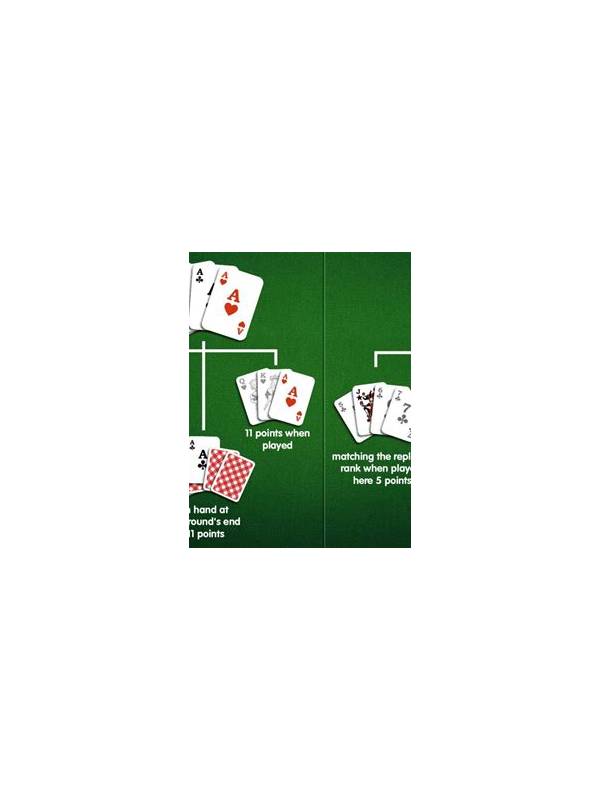
Low-point cards are often described as safe discards because they contribute fewer penalty points if an opponent finishes. That is a useful consideration, but it is not a complete rule. A low card can be the key to a sequence, a flexible bridge, or a natural group you are close to completing.
Consider a two-card run such as four and five. The three and six are both possible connectors, so the five has more than its point value suggests. Discarding it may leave two isolated cards and remove your best route to a pure sequence. By contrast, a low card that has no neighbor, no matching rank, and no reasonable connection may be a better release even if another card carries a higher number.
Use a three-part check. First, ask whether the card belongs to a completed group. Never discard a card from a valid group merely because it is low. Second, ask how many useful homes it has among your current cards. A card with two credible homes is flexible; a card with none is loose. Third, ask what information the discard gives away. If an opponent has repeatedly taken cards around that rank or suit, the release may be more helpful to them than expected.
The answer can change as the hand develops. Early on, a low connector may be worth holding because there is time to draw around it. Later, if it still needs one narrow card and your hand has stronger anchors, its opportunity cost rises. Set a review point after several turns: if a card has not gained a second connection, downgrade it.
Avoid the opposite mistake of protecting every low card. Holding too many “maybe” cards creates a crowded hand and delays decisive discards. A practical priority is completed group, strong connector, flexible pair, then isolated card. Point value can break ties within the same category, but it should not replace the categories.
When rules or scoring differ, confirm the table’s penalty system before relying on point-based decisions. For casual practice, focus first on valid structure and then on reducing exposure. The safest low card is not necessarily the smallest number; it is the card whose departure damages your plan the least.
An isolated two may be easy to release, while a two beside an ace and three may be part of a natural sequence. The number is identical, but the decision is different. Inspect neighbors, matching ranks, and the current format before discarding.
Related Post
Rummy Comparison: Draw Pile Versus Discard Pile Information
Compare the strategic information offered by blind draws and visible discards in rummy. [...]
Rummy Turn Notes: A Simple Way to Track Useful Information
Learn how brief turn notes can improve memory and decision quality during a rummy hand. [...]