Rummy FAQ: When Is a Low-Point Card Still a Weak Keep?
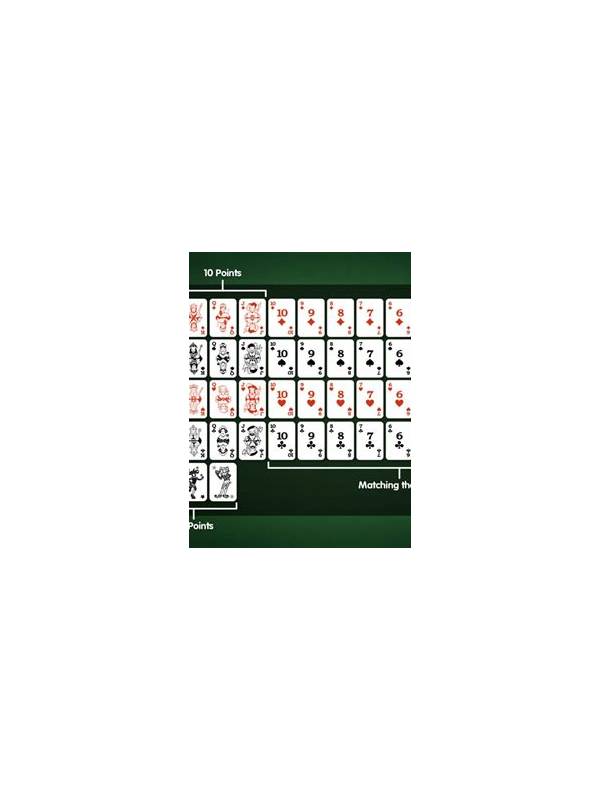
Yes. A low-point card can still be a bad keep when it has no credible role. Point value matters because it controls the cost of being caught with an ungrouped card, but it does not create a sequence or set. Keeping several harmless-looking cards can leave you with no workable plan.
Evaluate the card in context. A low card beside two same-suit neighbors may be valuable because it completes a clear sequence route. The same rank alone may have little reason to remain. Ask what the card is waiting for, how many realistic improvements exist, and whether another card already performs that job better.
Low-point cards can also block space. If your hand size is fixed, every card consumes a place that could hold a connector or a near-complete group. A cheap card with no job may therefore have an opportunity cost even when its penalty is small.
There are situations where keeping the low-point card is reasonable. It may be the least dangerous discard when all alternatives expose a strong opponent signal, or it may preserve a useful backup plan. The important point is to name that reason. “It cannot hurt much” is weaker than “it supports this live sequence and costs little if abandoned next turn.”
Reassess low-point cards after every meaningful draw. Their safety can change when a new card creates a better structure elsewhere. If the card remains disconnected while another card becomes useful, the cheap card may now be the correct discard.
Use point value as one input, not a verdict. A good hand balances structure, improvement distance, flexibility, and penalty. A low-point card with no role is often less useful than a higher-point card that completes a required group, provided the rules and current plan support that choice.
Think of the point value as an insurance amount, not as evidence of usefulness. Insurance can make a temporary hold reasonable, but it should not hide the fact that the hand is making no progress. If two cards are equally disconnected, the low-point card may win the comparison. If one card supports a realistic group, structure can outweigh the small penalty difference.
Ask one final question before keeping it: what would make this card better, and when will I stop waiting? If you cannot name both an improvement and a reasonable deadline, the card is probably surviving only because it feels safe. A small penalty can be accepted briefly, but an undefined hold can quietly consume the whole session.
Related Post

Rummy Guide: Compare Routes by Recovery Cost
Comparing how a route recovers from an unhelpful draw gives a more practical measure than [...]
Rummy How-To: Establish a Clear Hand State After Every Draw
A repeatable hand-state routine keeps each draw from creating confusion about groups, gaps, and discard [...]