Rummy FAQ: What Should You Remember From the Discard Pile?
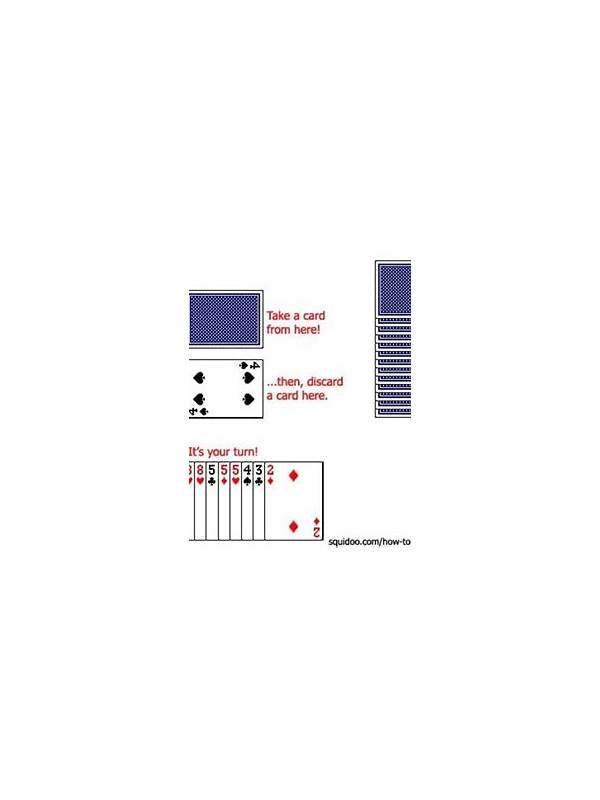
You do not need to remember every card in a rummy discard pile. Trying to do so can overload attention and make your own hand harder to evaluate. A better approach is to remember information that changes the value of a current plan.
Start with completed or nearly completed cards you need. If your hand contains 5 and 7 of a suit, a discarded 6 matters. If you are building a set around a rank, note whether a matching copy has already appeared. These observations help estimate whether a plan has realistic continuation, but they do not guarantee that unseen cards are available.
Remember cards an opponent deliberately takes, especially when the pickup is visible and specific. This may suggest a suit, rank, or sequence direction they value. Treat the clue as a warning when choosing your own discard. It is not proof of their hand, because a player can take a card for defensive or deceptive reasons.
Ignore repeated low-impact details. A discarded card that cannot fit any of your current structures rarely deserves long-term attention. You can also avoid tracking cards from plans you have already abandoned. Memory should follow the hand’s present needs, not preserve every earlier possibility.
Use short labels. Instead of repeating an entire pile, think “my missing connector,” “their visible pickup,” and “two copies of my high card gone.” These labels are easier to refresh after each turn. If the table is fast, focus on the last few meaningful discards and the cards that directly affect your next choice.
Review your memory after a hand. Which remembered card changed a decision? Which detail distracted you without helping? This feedback lets you tune the amount of information you carry. Good observation in rummy is selective: it protects your plan, reduces avoidable gifts, and leaves enough mental space to verify your own hand before declaring. Do not confuse a remembered discard with ownership. Seeing one card leave the pile does not reveal who holds its alternatives, and an opponent may change direction. Use the information to choose between otherwise similar options. If it does not affect a current draw or discard, let it go. Selective memory is both more accurate and less tiring than a complete inventory. If memory feels tiring, reduce the target further. Remember one card that helps you and one card that could help an opponent, then return attention to your own arrangement. Accuracy matters more than volume. A short observation that changes a discard is valuable; a long list that you cannot verify is not. This approach also leaves room to notice turn order and table pace, which can matter as much as an individual card.
Related Post
Rummy Comparison: Recounting the Hand or Rebuilding the Plan
Recounting events and rebuilding alternatives answer different questions in a useful rummy review. [...]
Rummy Comparison: Fixed Card Limits Versus Flexible Limits
Compare strict and adaptable hand-management limits to find a rummy practice rule that fits your [...]