Rummy FAQ: Should You Reuse the Same Opening Plan?
Repeating the same opening plan can make rummy easier to study, but it can also cause automatic decisions. A routine should organize attention, not dictate a move before the hand is understood. Use the same questions each time while allowing the answer to change.
An effective opening routine starts with the rules and the hand’s requirements. Identify any mandatory pure sequence or other condition, then sort cards into confirmed structures, candidates, and isolated cards. This process can stay constant even when the best discard changes. Consistency in observation is more valuable than consistency in outcome.
Next, compare route breadth. Look for cards that support several realistic combinations and separate them from cards that depend on one exact draw. Keep flexibility in mind, but do not preserve every possible route. A broad route that cannot satisfy a required condition is not automatically better than a narrower route that can.
Opening plans also need a point-risk check. High-value isolated cards may deserve early attention, especially when they have no clear job. Yet discarding a high card can be costly if it is part of a strong confirmed structure or obviously useful to an opponent. Use the routine to ask why the card is being kept or released.
A fixed plan becomes dangerous when it ignores visible information. If the discard pile changes the prospects of a route, update the plan. If the table format uses different rules, use the format-specific checklist. If your time or attention is limited, choose a session setting that fits those limits rather than forcing the same pace everywhere.
Review repeated openings by comparing decisions, not just wins. Did the routine reduce isolated cards? Did it leave a manageable number of dependencies? Did it protect the required structure? These measures reveal whether the plan is helping before the final result is known.
So, should you reuse the same opening plan? Reuse the same observation sequence, but let the hand determine the move. A good routine creates a stable foundation for adaptation. It should make your first decisions clearer while still leaving room for evidence, rules, and changing information.
Related Post
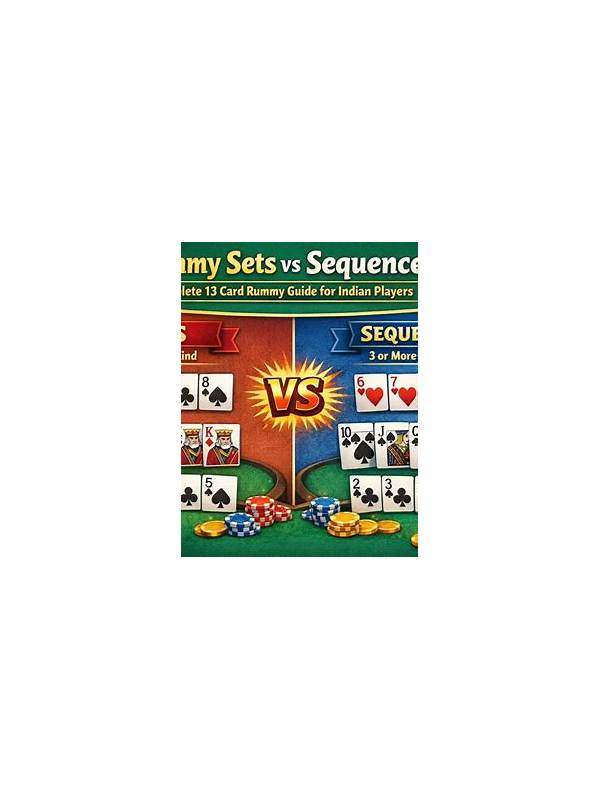
Rummy Comparison: Sets and Sequences as Building Blocks
Sets and sequences solve different hand problems, so compare their flexibility before choosing a plan. [...]
Rummy FAQ: What Is a Safe Tempo for Deliberate Play?
Answers common questions about playing quickly enough to stay focused without rushing important decisions. [...]