Rummy FAQ: What Is the Difference Between Risk and Uncertainty?
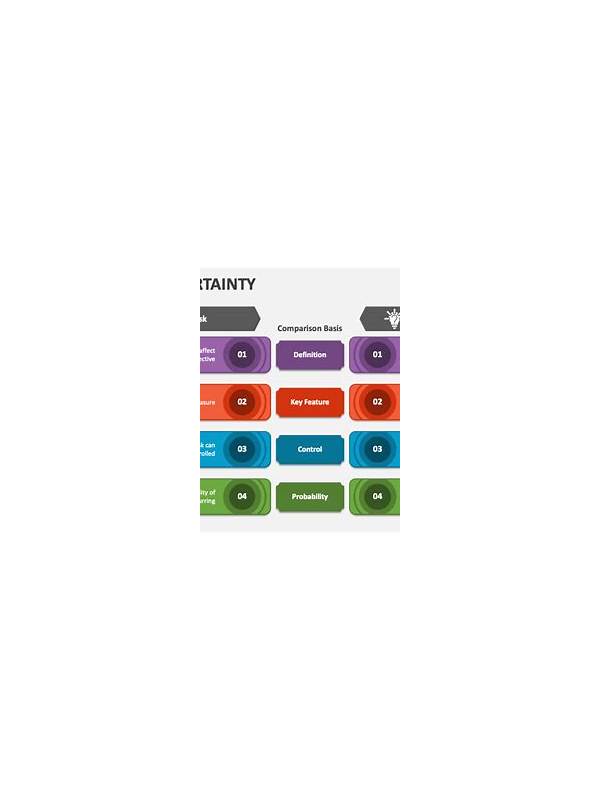
Risk and uncertainty are related, but they are not identical. Risk is the downside you can describe if a choice goes badly. Uncertainty is what you do not know about the cards, other players, or the next available draw. Separating them leads to better questions than simply calling a move “risky.”
Suppose you keep a high card while waiting for a connector. The risk is a larger penalty if the hand ends before the connector arrives. The uncertainty includes whether the connector remains available and whether your opponent is also seeking it. You may not know the exact chance, but you can still compare the size of the downside with the number of realistic improvements.
A choice can have low uncertainty and high risk. You may clearly see that a high-value card is unlikely to fit, yet keep it because the possible completion would be valuable. It can also have high uncertainty and low risk, such as holding a low card that has several modest routes. The labels help you decide what to manage.
When evaluating a move, ask three questions. What do I know? What am I guessing? What happens if the guess is wrong? Then ask whether a reversible alternative preserves similar upside with a smaller cost. This procedure does not require exact probabilities, and it avoids pretending that a confident feeling is evidence.
Track the answer in plain language. “Low risk, many unknowns” suggests a patient review. “Known high cost, one exact hope” suggests releasing the card or setting a firm deadline. The correct response still depends on the format and rules, but the description makes the trade-off visible.
Good players do not eliminate uncertainty; they manage it. They protect against costs they can see, keep assumptions modest, and update plans when new information arrives. Naming the difference between risk and uncertainty is a small habit that can improve both live decisions and post-hand analysis. This language is also useful when discussing a hand with another player. Explain which part was known and which part was estimated, then compare alternatives without claiming that one outcome proves the other. Respectful analysis keeps luck and judgment separate. It also shows whether a future exercise should focus on structure, information reading, or emotional control. The distinction also prevents overconfidence after a successful guess. A correct guess was still a guess unless the evidence supported it. Record that difference and keep the next decision open to revision.
Related Post

Rummy Decision Quality on a Small Screen
Improve mobile play by separating visual accessibility problems from genuine strategic choices. [...]
Rummy FAQ: Is a Joker Always the Best Card to Keep?
A joker is flexible, but its best use depends on the groups it can improve [...]