Rummy FAQ: Is a Safe Discard Always the Best Discard?
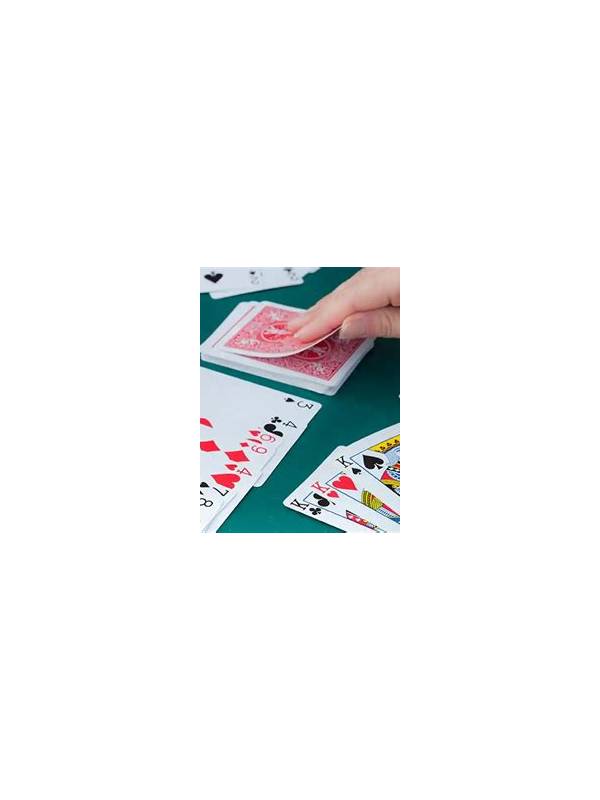
What makes a discard safe? Usually, safety means the card is unlikely to help another player immediately. That can be useful, especially when an opponent appears close to declaring. But safety is only one part of the decision. A card that is harmless to others may be the connector your own hand needs, while a slightly riskier card may remove a large penalty or simplify your plan.
Why is my own hand the first comparison? Every discard closes one option. Before worrying about an opponent’s possible use, ask what the card does for you now, what it could do after one draw, and whether it is keeping two other cards connected. A safe card with strong future utility may deserve protection. A card with no credible role may be released even if its risk cannot be measured perfectly.
How should visible discards affect the choice? Public information can improve the estimate, but it does not create certainty. If several copies or neighboring cards have already appeared, a card may be less attractive to opponents. If an opponent has repeatedly taken a certain type of card, avoid assuming every similar card is dangerous; distinguish evidence from a story you are inventing.
When should I favor safety? Increase the weight of safety when an opponent has a short hand, has shown a clear pattern, or when the cost of giving them a completion is unusually high. In an early, uncertain position, your own flexibility may deserve more weight. In a late position, reducing exposure can be more important than preserving a speculative improvement.
Use a three-part check: value to my hand, plausible value to an opponent, and penalty if I keep it. The best discard is often the one with the lowest total cost, not the one that feels safest in isolation. This keeps defensive play connected to the actual position rather than to fear of every visible card. Rules and table context can change the answer. A home game may use a different scoring system from an online format, and a casual group may value a clear explanation more than a speculative defensive read. Confirm the local conditions before applying a general safety principle. Then make the smallest decision that fits those conditions. Good defensive judgment reduces avoidable harm without pretending that hidden information can be known.
Related Post
Rummy FAQ: Why Does Timing Matter More Than Card Count?
Understand why a smaller number of useful possibilities can beat a larger number of distant [...]
Rummy Guide: Build a Small Observation Window
A small observation window helps players notice meaningful changes without trying to remember the whole [...]