Rummy FAQ: When Should You Stop Reorganizing a Hand?
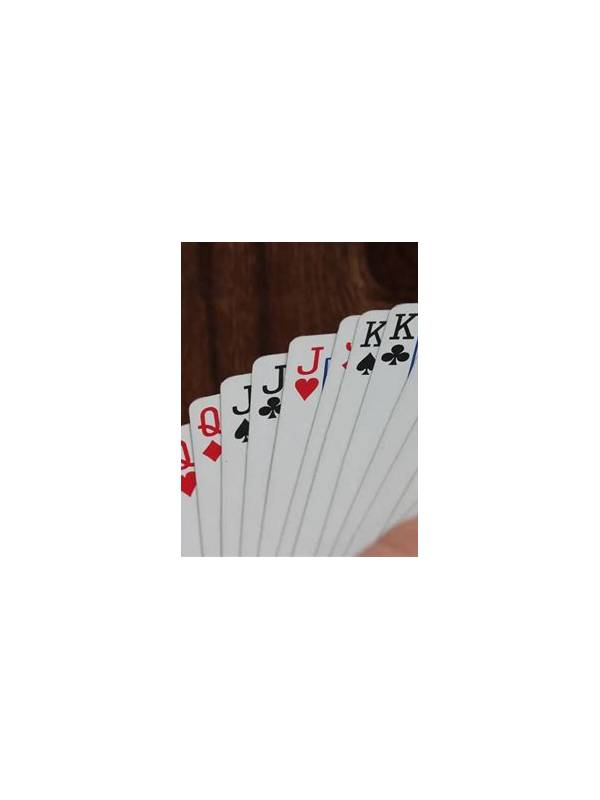
Reorganizing cards can reveal connections, but endless rearrangement can create confusion. You should usually stop when every card has a current job, the valid groups are clear, and another arrangement does not improve a specific decision. Organization is a tool for thinking, not a substitute for choosing.
Start by naming the purpose of the rearrangement. Are you checking for a pure sequence, comparing two routes, or preparing to discard? If you cannot state the purpose, pause. Reordering cards merely because the display feels untidy may make the hand look different without making it stronger.
After arranging, perform a short audit. Count the cards, mark secure groups, identify unresolved groups, and label loose cards. Then ask whether the new layout changed any of those facts. If not, return to the previous layout or keep the simpler one. A good arrangement should make a decision easier to see.
Set a stopping condition before a difficult turn. For example, allow two arrangements, then choose between the best two candidates. This prevents a cycle in which every new layout creates another possibility. A time limit is useful when a table timer is active, but clarity matters more than speed.
Stop immediately if rearranging makes you lose track of which cards have already been counted or assigned. Repeatedly moving a shared card between groups is a warning that the route itself needs examination. Write the alternatives in words instead of moving the same card back and forth.
In review, ask whether the extra rearrangement produced information or only anxiety. If it produced information, keep the technique. If it added no value, create a simpler checklist for the next session. The best layout is the one that helps you verify the hand, compare the next actions, and execute without hesitation.
Physical and digital layouts may need different stopping rules. On a small screen, grouping by current job can be clearer than grouping by suit. At a home table, leave enough space to separate secure groups from candidates. Whatever layout you use, keep its meaning consistent during the turn so that changing labels does not create new confusion.
Once the layout answers the current question, act on the answer and preserve the remaining time for verification.
Related Post
Rummy FAQ: What Happens When the Timer Expires?
Knowing how a table handles an expired timer helps players prepare for interruptions and avoid [...]
Rummy Guide: Use a Route Budget for Unfinished Groups
Assign each developing group a limited number of turns so attractive but narrow plans do [...]