Rummy FAQ: How Should You Treat a Lone Middle Card?
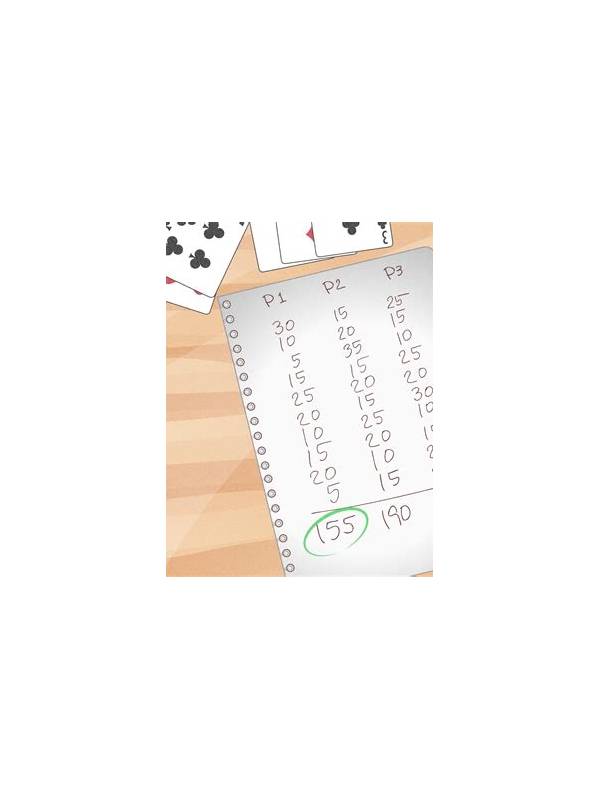
A lone middle card is a card that currently belongs to no pair or sequence, such as a nine surrounded by unrelated cards. Should it be discarded immediately? Not always. Its value depends on possible neighbors, suit information, and the strength of the rest of your hand.
Middle cards can connect in two directions. A nine may work with an eight or ten of the same suit, while an ace usually has fewer practical connections in many rummy formats. That does not make every middle card valuable, because a theoretical connection is useful only if the needed cards remain plausible and the card does not block a stronger plan.
Start with a three-part check. First, identify the card’s live neighbors. Are one or both adjacent cards already visible in your hand or in the discard history? Second, compare it with your existing anchors. Would keeping it preserve a route that is different from your current plan? Third, examine its opportunity cost. What card could replace it, and would that replacement reduce your points or improve your structure?
A lone middle card is easier to keep early in a hand when several routes remain open. As turns pass, the standard changes. If neither neighbor appears and another card has become part of a reliable group, the lone card may be the better discard. Waiting forever because it “could become useful” is not a strategy.
Also consider the discard signal. A card that an opponent has repeatedly avoided may be less safe to release if it could help them, but guessing too much from one omission is unreliable. Combine visible patterns with your own hand needs. Your primary job is to improve your arrangement, not to invent certainty about another player’s cards.
The answer, then, is conditional: keep a lone middle card when it supports a live, flexible route and its cost is manageable. Discard it when its neighbors are unlikely, your plan has moved elsewhere, or holding it prevents a clearer hand. Treat it as a decision, not as an automatic keeper or automatic penalty. One practical habit is to state the reason aloud or in a note before keeping it: “two live neighbors, low cost, and no stronger replacement.” If you cannot give a similarly specific reason, the card may be surviving on hope. That small explanation makes later review much easier.
Related Post
Comparing Rummy Table Speeds Before You Join
Choosing a table speed that matches your attention and experience can make online rummy more [...]
Rummy Comparison: Memory Notes Versus Visual Sorting
Notes and visual layouts solve different parts of rummy analysis, and combining them can reduce [...]