Rummy FAQ: How Should You Treat an Unusual First Hand?
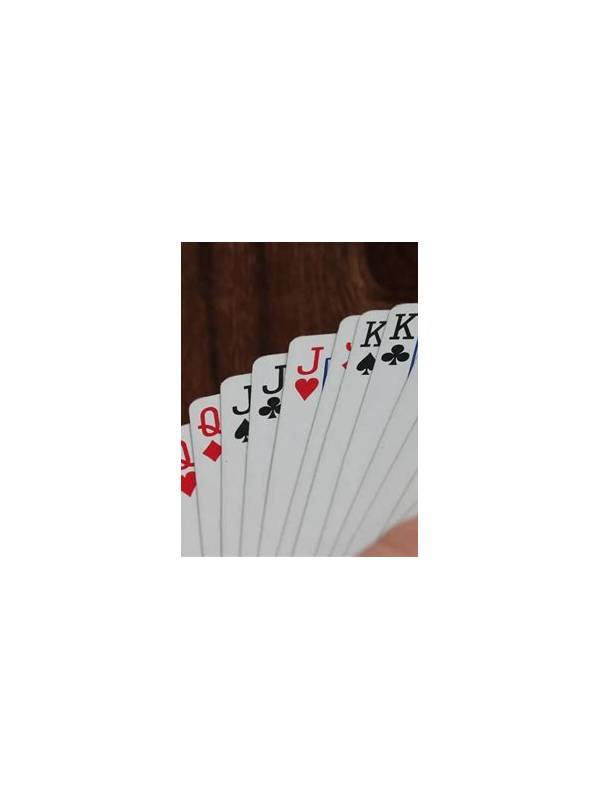
An unusual first hand can be exciting or confusing. Perhaps it contains several cards of one suit, multiple pairs, or a surprising number of gaps. The important question is not whether the hand looks rare. It is whether the cards offer dependable ways to form legal groups. Treating novelty as a strategy often leads to keeping cards for their appearance rather than their function.
Begin with a plain inventory. Sort by suit and rank, then mark obvious sequences, possible sets, and singletons. Do not commit every card to its first visible combination. A card may belong to more than one route, and that flexibility matters in the opening turns. The inventory gives you a baseline before you decide which feature of the hand deserves attention.
If one suit dominates, check whether the cards are connected or merely numerous. Five cards from one suit with wide gaps may be less useful than three connected cards plus two flexible cards from elsewhere. If the hand contains many pairs, distinguish matching ranks from cards that also support sequences. A pair that can serve a set and a sequence has more options than an isolated matching pair.
Next, identify the hand’s main risk. A hand can be unusual because it is flexible, because it is crowded with high-value loose cards, or because it relies on a narrow pattern. High flexibility is valuable, while a narrow pattern needs a review point. If you have many cards that all need different exact improvements, avoid treating them as equally promising. Rank the routes by the number of reasonable next steps.
Keep your first discard informative. Releasing an obvious isolated high card may lower risk without revealing too much about your intended structure. Releasing a card that is useful in several routes may create a larger cost, even if it looks awkward. After the discard, reassess the hand rather than assuming the opening idea remains correct.
There is no special rule that rewards an unusual arrangement. The same principles still apply: legal groups, flexible connections, manageable point exposure, and credible recovery options. A rare-looking hand may become excellent, ordinary, or difficult depending on the next few decisions. Use the novelty as a reason to inspect carefully, not as a reason to ignore fundamentals.
If the hand remains unclear, choose the move that preserves the most ordinary improvements. A simple route that can be repaired in several ways is usually easier to manage than an impressive pattern that survives only through one exact draw. Review the arrangement after the next turn and let new evidence replace the opening impression.
Related Post
Rummy Tips: Apply a Worst-Case Discard Test
Test a promising draw against its most awkward outgoing card before deciding that the exchange [...]
How to Explain Indian Rummy to a Friend in Ten Minutes
A short teaching plan makes Indian rummy easier to understand without overwhelming a new player. [...]