Rummy FAQ: How Does Turn Order Change a Good Plan?
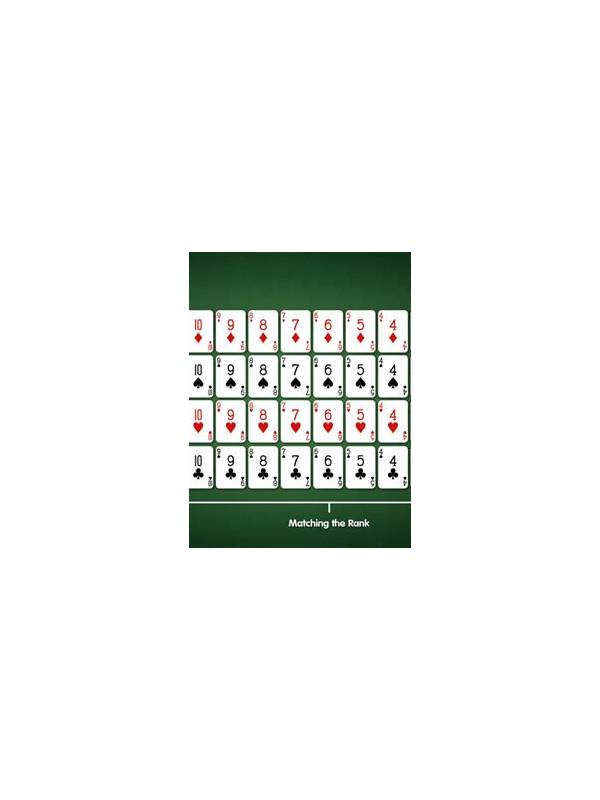
Turn order does not change the cards in your hand, but it changes when you can act and what information you receive first. A plan that is comfortable early in a round may be too slow when several players act before your next turn. Understanding this difference helps you adapt without treating every visible move as a warning.
First, count the opponents who act before you and note how many draws may occur before you see another card. More intervening turns mean more opportunities for a narrow route to become irrelevant. If your hand depends on one exact rank, set a review point before the next cycle. At that point, you can compare the route with a more flexible alternative instead of continuing automatically.
Turn order also affects the discard pile. A card you leave may be available to an opponent immediately, while a card discarded just before your turn may provide useful information. Do not assume that taking a visible card is wrong simply because it exposes a plan. Consider whether the information cost is smaller than the value of improving your structure, and whether your remaining cards can support a different ending.
Late in a hand, tempo becomes more important. If an opponent appears close to a declaration, reducing your own deadwood may be wiser than preserving a speculative combination. This is not a demand to copy the opponent or panic after one encouraging move. It is a reminder that the value of waiting depends on how many turns remain for waiting to work.
Use a three-part adjustment: identify the next time you can act, estimate what may change before then, and choose a review condition. For example, you might keep a flexible pair until the next cycle, then break it if no supporting card appears. This keeps turn order in the plan while preserving judgment. Good adaptation is measured by clear conditions, not by constant reaction to every discard.
Remember that turn order is only one factor. It does not reveal an opponent’s exact hand, and it does not make a narrow route impossible. Use it to set urgency and review timing, not to manufacture certainty. A calm player can accept that the same route may be reasonable in one seat and too slow in another. That distinction produces adjustments that are measured rather than emotional. The result is a plan that respects timing without surrendering independent judgment.
Related Post
Rummy How-To: Audit a New Table Before the First Draw
Use a one-minute audit to confirm the format, timing, scoring, and exit rules before play [...]
Rummy Safety: Use a Device Lock Before a Gaming Session
A few privacy checks before playing can reduce accidental access to a rummy account on [...]