Rummy FAQ: What Does Deadwood Mean in a Hand?
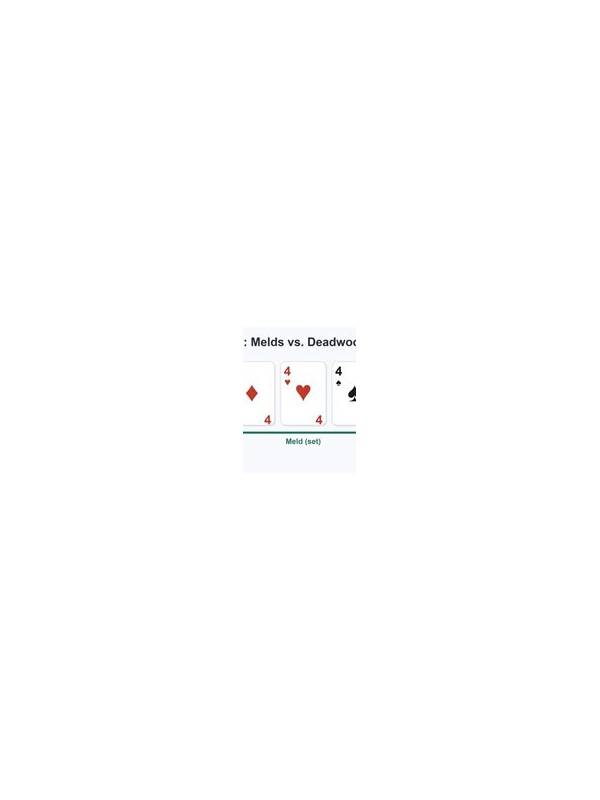
In rummy discussion, “deadwood” usually means cards that are not presently part of a convincing sequence or set. They may be isolated, disconnected, or too expensive to keep while waiting for a very specific draw. The term describes a card’s current usefulness, not its destiny. A card can move from deadwood to a valuable connector when the hand changes.
To identify deadwood, sort the hand and test each card against the routes you can realistically build. Ask whether it extends a sequence, joins a pair, supports a set, or keeps several future draws useful. A card that has no answer is a candidate for release. Be cautious with cards that seem isolated only because you have not viewed the suit and rank relationships together.
Deadwood matters because it has opportunity cost. Every card you keep occupies space that could hold a more flexible draw. High-value deadwood can also increase the consequence of an unsuccessful declaration or an incomplete hand, depending on the format. That does not mean you should always discard the highest card first. A low card may be the only bridge between two credible sequences.
Reassess after each draw. A new connector may reduce one card’s value and increase another’s. Likewise, an opponent’s discard can make a previously narrow route more plausible. Use a ranking such as strong support, possible support, and current deadwood rather than a permanent good-or-bad label.
When reviewing a round, ask which deadwood you noticed late. Did you keep it because of its face value, because it was drawn recently, or because you were reluctant to abandon a plan? The answer can reveal a habit worth changing. The purpose of the concept is to improve clarity: know which cards are earning their place and which are merely occupying it.
The term is especially useful during a midgame review. A card that was deadwood at the opening may become necessary after a connector arrives, so do not discard mechanically from an old list. Re-sort the hand and ask the same questions again. This keeps the concept dynamic and prevents a player from throwing away a card simply because it was once difficult to place. Use evidence carefully and keep conclusions proportional to what you saw. A changing hand deserves a changing assessment, especially when a previously weak card gains a credible connection. Rechecking prevents an early label from becoming an automatic discard rule later still.
Related Post
Rummy Tips: Mark Cards by Commitment Level
Sorting cards by commitment level makes it easier to see which choices remain reversible. [...]
Rummy Comparison: Printed Notes Versus Mental Tracking
Compare written and mental tracking methods to find a rummy note system that supports focus. [...]