Rummy FAQ: What Makes a Backup Plan Realistic?
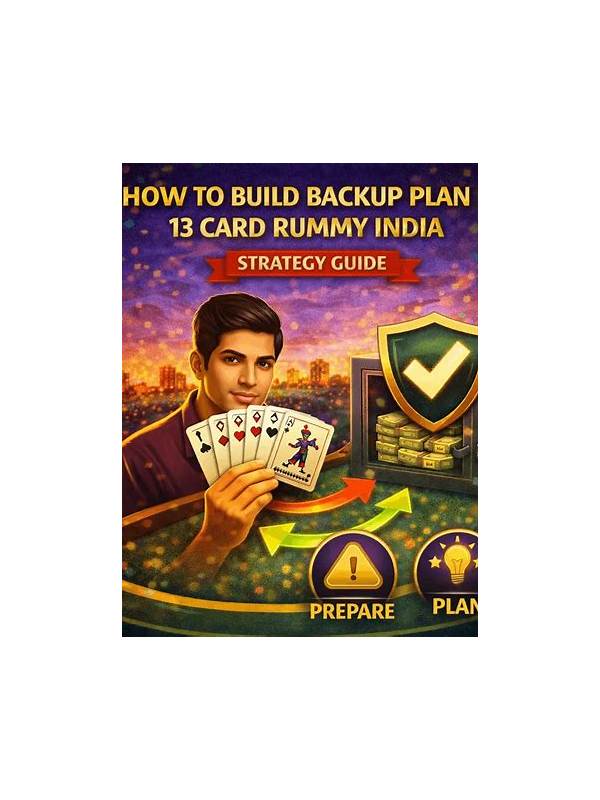
A backup plan is not simply another card you hope to draw. It is a secondary route that can be followed if the main route weakens. Because a hand has limited space and time, a backup must be realistic enough to compete with the primary plan.
First, name the backup’s structure. It may be a different sequence, a set using duplicate ranks, or a way to protect an existing foundation while releasing a narrow idea. If you cannot describe the group, you do not yet have a plan; you have a possibility.
Second, count requirements. How many cards must arrive? Are they broad neighbors or exact ranks and suits? Does the backup require breaking a secure group? A backup that needs three specific changes is usually not a backup in a late hand. It may be worth keeping early, but it needs a deadline.
Third, check interference. Two plans are not independent if they rely on the same card, the same space, or the same discard. If the primary and backup compete for one connector, label that conflict. You may need to choose one rather than pretending to preserve both.
Fourth, set a switch condition. Examples include a missed draw, a reduced number of turns, or damage to the main foundation. The condition should be observable. “When the plan feels unlikely” is too vague; “after the next draw if it still needs two exact cards” is usable.
Finally, test the cost of switching. Moving to a backup can lose a turn or expose a high-value card. Compare that cost with the cost of continuing the main route. A backup is valuable partly because it lets you stop paying for a weakening idea.
Review backups after the hand. Did the secondary route remain available, or did it depend on a card already consumed elsewhere? Did you switch at the planned trigger? A failed backup is not automatically a bad idea, but it may reveal that its requirements were too narrow or its deadline too late.
The best backup plan is modest. It does not promise to rescue every hand. It gives you one credible alternative, a reason to choose it, and a clear point at which to stop investing.
Keep the backup visible in your language, not just in your imagination. State the route, its missing requirement, and its switch condition before the hand becomes urgent. If you cannot state those three things, simplify the primary plan instead of carrying a vague second plan. Clear limits preserve attention and make the eventual choice easier to explain.
Related Post
Rummy Safety: Protect Breaks From the Recover-a-Loss Impulse
A deliberate break interrupts chasing behavior and gives you time to decide whether continuing still [...]
Rummy Tips: Keep a Backup Discard Candidate
Preparing a second discard option helps you respond when a new draw unexpectedly changes which [...]