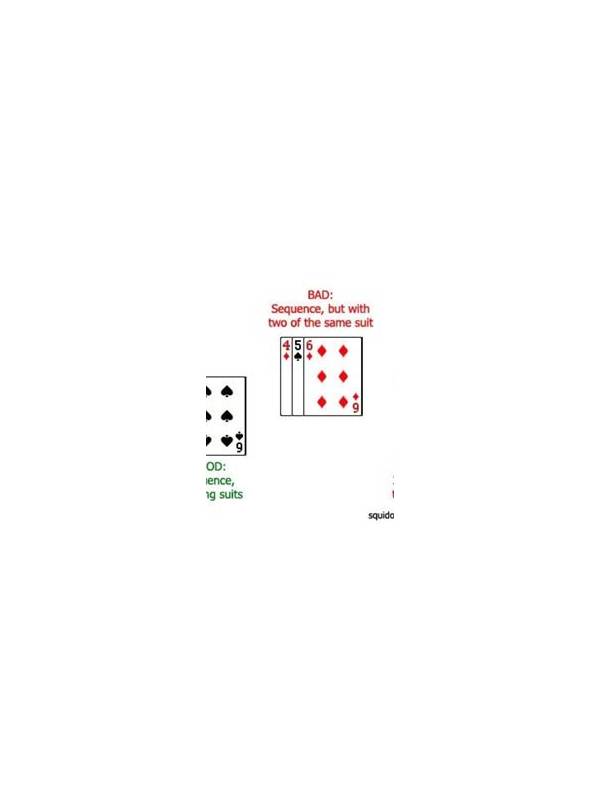
Rummy FAQ: What Makes a Sequence Natural?
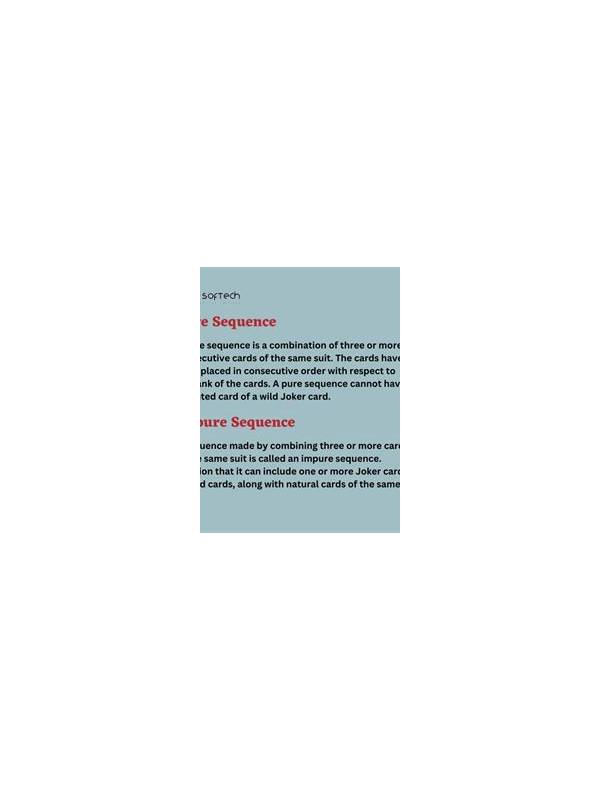
What makes a sequence natural in rummy? In many rummy variants, a natural sequence is a consecutive group in the same suit made without a printed or wild joker substituting for a missing card. The exact definition can vary, so the table’s rules always control. A group that looks consecutive is not automatically natural if a special card has been used as a substitute.
Start by checking suit and order. Every card in a standard same-suit run must follow the permitted rank progression. Then inspect the identity of each card rather than only its displayed position. A wild card placed between two ordinary cards may make the group visually complete while changing its classification under the rules.
The ace deserves particular attention. Some variants permit it at one end of a sequence, while others define its use differently. Do not transfer a rule from one game format to another. If the app labels a group as pure, treat that label as a helpful display but confirm the underlying requirement when the declaration depends on it.
Natural status can affect more than appearance. A variant may require a natural sequence before the rest of the hand can be valid, or it may score natural and joker-assisted groups differently. That is why a player should identify the requirement early, not only during the final declaration. If a card can serve as either a natural connector or a substitute elsewhere, compare the legal consequences before moving it.
When uncertain, pause and read the specific rule summary. Avoid relying on a friend’s explanation from another table. The practical test is simple: same-suit order, no substituted missing card, and compliance with the variant’s ace and joker rules. This checklist does not replace the official rules, but it prevents a common mistake: confusing a visually complete run with a legally natural one. If a joker is involved, identify what it is replacing before you move the cards. A group can contain a joker and still be useful, but its classification may differ from a group made entirely of ordinary cards. Also check whether the variant allows a joker to be replaced by the exact missing card and what happens to the released joker. These details are easy to overlook when arranging a hand quickly. A careful player separates the visual question—does the run look continuous?—from the rule question—does this arrangement meet the natural-sequence requirement? That distinction is worth checking before every rules-sensitive declaration.
Related Post

Rummy FAQ: How Long Should a Practice Session Last?
The right practice length depends on the skill being tested and the quality of attention [...]
Rummy How-To: Practice Discard Decisions With a Timer
Timed discard drills improve decision clarity by separating useful speed from rushed guessing. [...]