Rummy FAQ: When Is a Route Too Expensive?
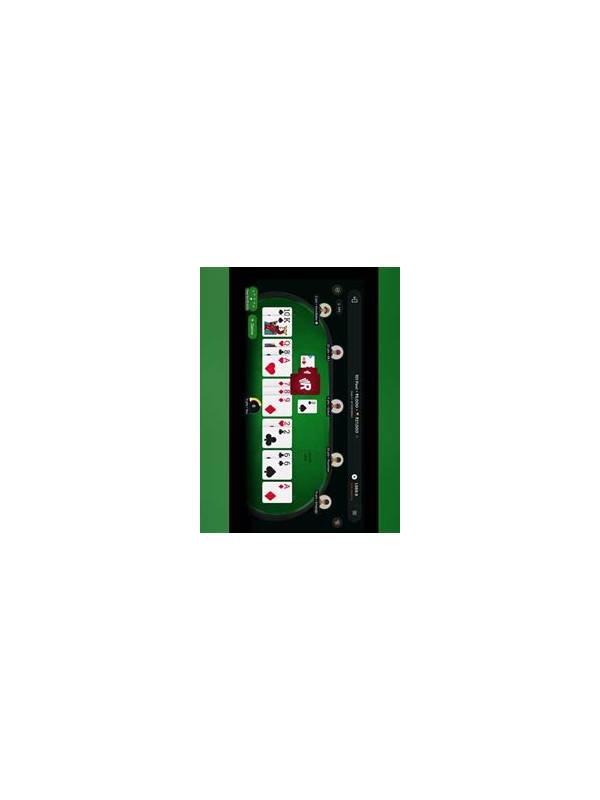
A route is too expensive when maintaining it consumes more useful cards and attention than the route is likely to return. Expense is not limited to points. It includes the number of exact draws required, the groups you must disturb, and the time remaining to complete the hand.
Start by counting missing pieces. A route needing one plausible card may be reasonable, while a route needing two precise cards is fragile. Then check whether the needed cards are already visible or whether the route has multiple ways to improve. Do not treat every theoretical possibility as equally available.
Next, measure opportunity cost. Which cards are being held only because of this route? Could they support a confirmed group, reduce point exposure, or preserve a better backup? If the route blocks several alternatives, its real cost is higher than its card count suggests.
Timing changes the answer. Early in a hand, a demanding route may be acceptable if it offers unusual flexibility and there is time to gather evidence. Late in a hand, even a one-card gap may be too expensive if a safe consolidation is available. Review the route whenever the turn count or visible information changes.
Create a clear downgrade trigger. It could be one failed draw, the loss of a key connector, or a second turn without a useful improvement. Once the trigger occurs, compare the route again instead of defending it automatically.
Expense is therefore a relative judgment. A route is not bad because it is ambitious. It is bad when its cost is no longer matched by evidence, flexibility, or time. Naming the cost makes the decision easier to review and improve. One practical question is, “What would I need to see before I abandon this?” Ask it before the route becomes emotionally important. If the answer is a particular draw or a time limit, use that condition consistently. A preselected exit point turns an uncertain route into a controlled experiment and keeps one attractive idea from consuming the entire hand. A route can become cheaper when a new card supports it, but do not ignore the cards displaced by that improvement. Recalculate the whole hand after the change. The best route is the one whose total structure improves, not merely the one that received a convenient card. This wider view keeps local excitement from hiding a larger cost. If no evidence arrives by the exit point, release the route and record that choice as part of the experiment.
Related Post
Rummy How-To: Reconstruct a Hand After the Round
Reconstructing key turns after a rummy round can reveal decision patterns without relying on vague [...]
Rummy Safety: Keep Notifications From Disrupting a Live Hand
Managing alerts before a rummy session can reduce rushed taps, missed timers, and avoidable account [...]