Rummy FAQ: When Should a Player Stop Rearranging Cards?
Rearranging cards can reveal a sequence that was hidden in the original deal. It can also become a form of delay. The practical question is not whether rearrangement is good or bad, but whether the new layout produces a clearer, more supported plan than the previous one.
Use an initial rearrangement to inspect the hand by suit and rank. After that, create one or two plausible plan layouts. For each layout, identify complete groups, developing groups, and leftovers. If moving a card only changes its position without improving any of those categories, stop moving it. Neatness alone is not progress.
A stopping rule is especially helpful before a discard. Allow yourself one final scan for shared cards and gaps. Then choose the action that best fits the rules and current evidence. Repeatedly moving the same three cards can make every arrangement feel promising, even when the underlying information has not changed.
New information justifies a fresh rearrangement. A draw may complete a group, invalidate a route, or create a better use for a joker. An opponent’s public action can also alter the value of a possible draw, though it should not be treated as proof of hidden cards. Rearrange because the hand changed, not because the previous plan feels uncomfortable.
Digital interfaces add another risk: automatic sorting may hide your mental assumptions. If the app places cards into suggested groups, verify each group against the format’s rules. A suggested arrangement is a display aid, not a declaration guarantee. Take a breath and inspect the actual ranks, suits, and wild-card use.
In practice, try a three-pass routine: sort, map, decide. Sort by suit to discover structure; map the strongest groups and uncertainties; decide after one final legality check. If the hand remains unclear, choose the lowest-risk action available and accept that uncertainty is part of the game.
Stopping is a skill because every extra rearrangement has an opportunity cost. Test each move by predicting which group will improve; if you cannot name a benefit, return to the last clear layout. Confirm the table state separately if an interface change caused the confusion. If the hand remains unclear, choose the lowest-risk legal action rather than moving cards indefinitely. A short decision timer can make this stopping rule easier to practice. It consumes attention that could be used to inspect the discard, track your plan, or maintain a time boundary. A clear stopping rule lets arrangement support judgment without becoming a substitute for it.
Related Post

How to Set a Stop Time for an Online Rummy Session
A stop-time plan creates a clear boundary before an online rummy session becomes tiring or [...]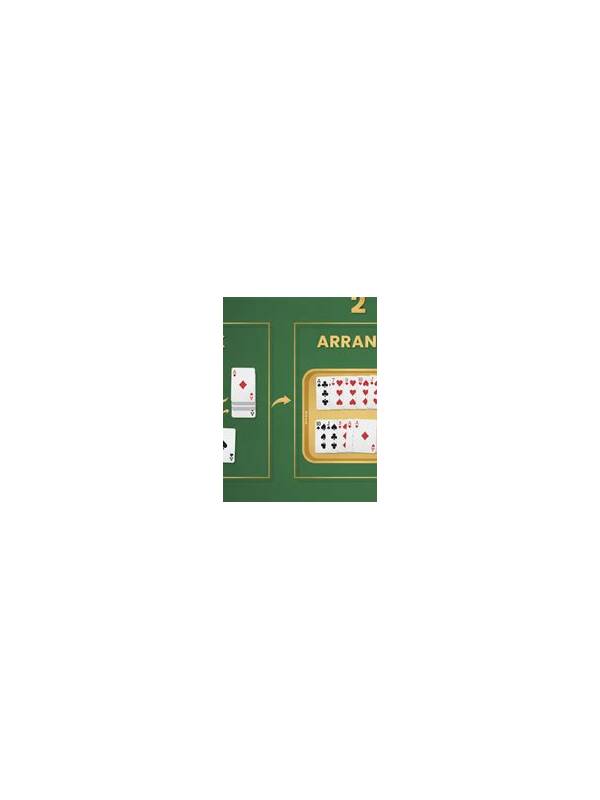
Rummy Guide: Turn a Draw Into a Specific Question
Replacing vague hope with a specific draw question makes each new card easier to evaluate [...]