Rummy FAQ: Why Do Middle Cards Have More Than One Value?
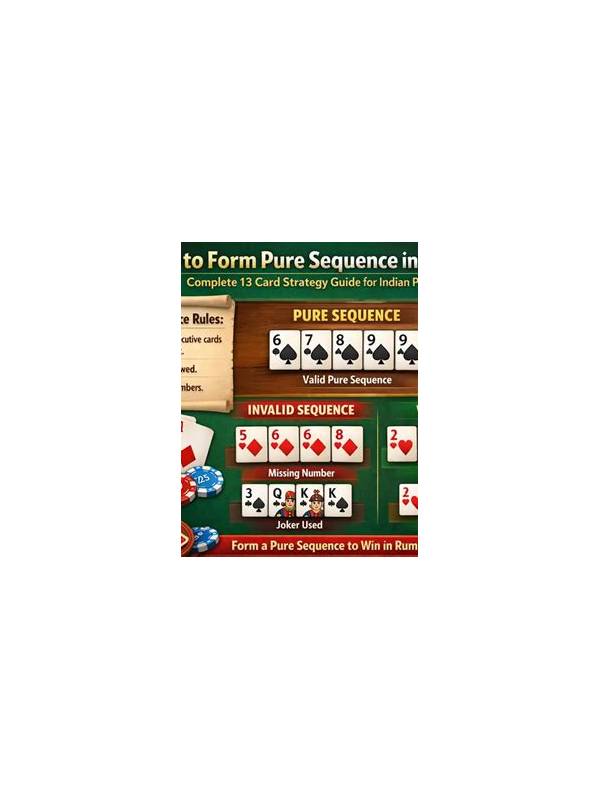
Middle cards are often attractive in rummy because they can connect in more directions than an ace or a king. A six may work with four-five or seven-eight in the same suit, while an ace usually has fewer sequence neighbors under common rules. That extra connectivity is useful, but it does not make every middle card automatically valuable.
Think of value as a combination of potential and evidence. A six of diamonds held beside a five of diamonds has a clear role. A lone six of diamonds has theoretical possibilities but no confirmed structure. It may still be worth keeping early, especially if other cards support a second plan. As turns pass, however, an unsupported middle card should be compared with cards that are actively helping a set or sequence.
Middle cards can also be expensive when left unfinished. Their face value is usually higher than an ace and lower than a ten, so carrying several of them through a failed plan can create a meaningful penalty. The correct response is not to discard all middle cards quickly. Instead, avoid collecting them without a connection. One connected six can be stronger than an isolated low card if it gives you a realistic route to a valid combination.
The discard pile changes the calculation. If neighboring cards have appeared and were not taken, that may reduce the chance of completing a particular route, though it is never conclusive. Opponent behavior matters too: a visible preference for a suit can make one middle card more dangerous to release. These clues should adjust your decision, not dictate it.
When deciding, ask whether the card has a current partner, a second plausible role, and enough time to improve. If the answers are mostly no, its flexible reputation is only theoretical. Middle cards are powerful because they create options; they are not valuable simply because options exist somewhere in the deck. Their value can also change with the format and hand size. In a faster round, a middle card that needs two specific neighbors may not have enough time to mature. In a slower format, the same card may justify patience if it sits beside a useful partner. Always learn the local rules before applying a general card-value idea. A flexible card is an opportunity, not a guarantee, and the number of remaining turns is part of its value. Before discarding, look at the complete hand rather than the middle card alone. Its practical value comes from relationships, timing, and the requirements of the round. A useful card today can become a burden after a neighboring card is used elsewhere. Reassessing that change is more important than following a slogan about any rank.
Related Post
Rummy FAQ: Is the First Draw Worth Extra Attention?
The first draw matters because it adds information, but it should not dictate the entire [...]
Rummy FAQ: Does a Fast Start Guarantee a Strong Hand?
A fast start creates early progress, but it does not guarantee that the remaining groups [...]