Rummy FAQ: Why Can Rules Vary Between Platforms?
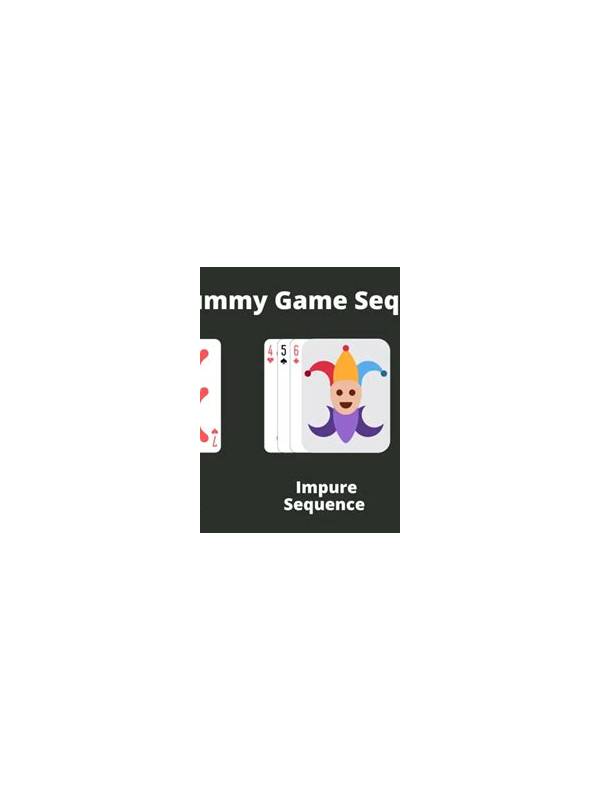
Rummy is a family of related games rather than one single rule set. Platforms can differ in the number of cards dealt, the role of jokers, scoring, declarations, time limits, and what counts as an invalid move. Learning the general ideas is useful, but you should read the specific table rules before playing.
The most important difference is often the requirement for valid sequences. One format may require a pure sequence before a declaration, while another may use a different combination of groups. A hand that looks complete under one rule set can fail under another. Check the exact definition of a sequence, set, and printed or wild joker.
Scoring can vary as well. Some games count the value of ungrouped cards, some use points for each round, and some use chips or another table measure. High cards may therefore carry different practical risk. Do not carry a scoring assumption from one platform into a new game without checking it.
Joker behavior deserves special attention. Confirm whether a wild joker can replace any card, whether it may be used in a sequence, and whether a pure sequence may contain one. Also check how many jokers are included and whether a player can draw a joker from a particular location.
Read the action rules before joining. Look for the draw options, discard restrictions, declaration process, timeout policy, and what happens after a connection interruption. If real money is involved, inspect entry fees, settlement terms, and withdrawal conditions separately from the game rules.
When uncertain, use a practice or free table and ask official support through the platform’s normal channel. Do not rely on a screenshot or a claim from another player if the written rules are available. The safest approach is to identify the rule that affects your next decision and verify it before committing.
Rule variation is not a reason to avoid rummy; it is a reminder to separate transferable skills from local details. Observation, planning, and responsible limits travel well. Declarations, scoring, joker use, and table actions must be learned for the specific format you are playing.
Before every new platform, make a short checklist: required sequences, joker rules, scoring, draw and discard actions, timeouts, and account conditions. That preparation prevents confusion and lets you focus on the hand with a clear understanding of what a legal finish means. Reading first is faster than discovering an important difference after an invalid move or disputed result.
Related Post
Rummy Guide: Use a Minimum-Commitment Opening
Build an opening rummy plan that preserves useful alternatives while your hand is still developing. [...]
Rummy FAQ: Why Can Your Discard Help an Opponent?
A discard may improve an opponent’s hand, but avoiding every possible benefit would usually damage [...]