Rummy Guide: Build a Backup Plan Around One Strong Group
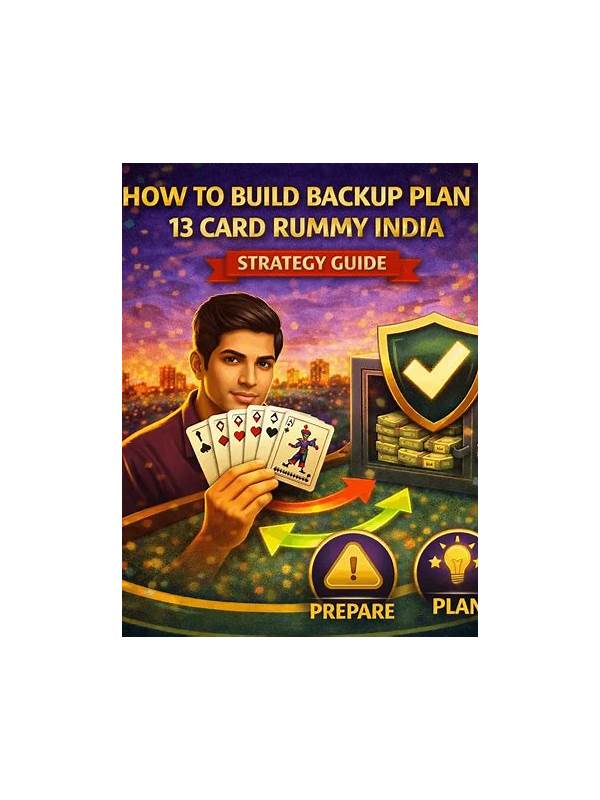
A backup plan should reduce uncertainty, not create a second complicated puzzle. One practical method is to build it around a strong group that is already confirmed or nearly confirmed. That group acts as an anchor while the remaining cards are reorganized around the best available connection.
First identify the anchor. It might be a pure sequence, a clean set, or another structure that clearly satisfies part of the format. Do not call a pair an anchor simply because it has survived several turns. The anchor should continue to help even if the next draw is unhelpful.
Next examine the uncommitted cards. Pair them by realistic relationships, but keep the backup smaller than the main plan. If it requires four separate lucky draws, it is not a backup; it is another main plan. A useful backup often consists of one flexible connection plus a clear discard order for the remaining cards.
Set an entry condition and an exit condition. Enter the backup when the main route loses an important card or when a checkpoint arrives without progress. Exit it when the required cards become visible, when the connection creates too many loose cards, or when the legal arrangement no longer improves. These conditions keep you from drifting between plans.
The anchor also helps with discard decisions. Protect cards that support the anchor or its most flexible companion. Release a high-cost card that supports only a narrow backup if you have already passed its deadline. This is not a judgment about whether the card is “good.” It is a judgment about whether it fits the current structure.
Practice by taking an opening hand and writing two lines: “main route” and “backup around anchor.” After three turns, review whether the backup gave you a better discard than the main route would have. Repeat with different hand shapes. The exercise teaches a useful habit: keep one stable foundation, but allow the rest of the hand to change when evidence changes.
An anchor is not a promise that the hand will succeed. It is simply a reliable reference point. Recheck it if a new card creates a legal arrangement that uses one of its members more effectively. The anchor should be protected because it is currently strong, not because you named it earlier.
When the backup becomes the better route, rename it mentally as the main plan. This wording matters because it prevents you from treating the backup as second-class. Use the same standards for both routes: realistic outs, a legal finish, and a deadline. A plan should be judged by its current quality, not by its original label.
Related Post
Rummy How-To: Separate Rule Errors From Strategy Errors
Distinguishing a rules mistake from a strategic mistake leads to more accurate rummy practice. [...]
Rummy How-To: Set a Review Point Before Taking a Risk
A predefined review point helps evaluate a risky rummy plan before it becomes difficult to [...]