Rummy Guide: Build a Card-Tracking Grid Without Overthinking
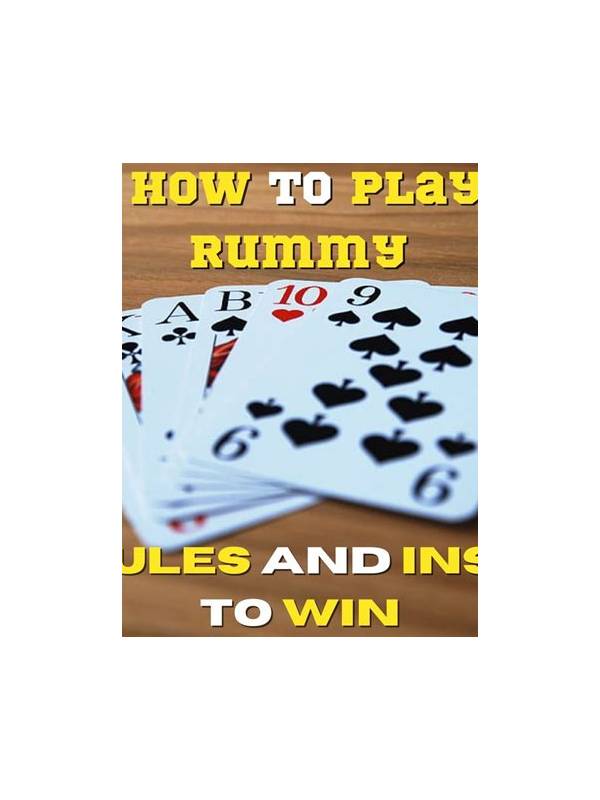
Card tracking in rummy is useful only when it helps you choose your next action. A complicated record that distracts you from the table is not a strategy advantage. The practical solution is a small grid that captures only information likely to change a decision.
Start with four columns: rank, suit, seen cards, and likely purpose. You do not need to record every card perfectly. Mark cards that enter the discard pile, cards you pick up, and cards that become visible in an opponent’s melds. A quick tick beside a rank is often enough. The purpose column can say “my run,” “opponent interest,” or “unclear.”
Use the grid when evaluating a draw. Suppose you need a six of hearts to complete a sequence. Before chasing it, check whether other sixes or hearts have appeared. The check will not tell you the exact next card, but it can show whether your plan depends on a card that has already become unlikely. It can also reveal a second route, such as using a neighboring rank in another suit.
Keep separate notes for confirmed information and guesses. A discarded queen is confirmed. Assuming an opponent is collecting queens is a guess. Mixing the two creates false certainty. If your notes say “possible set,” you remain willing to revise the idea when the opponent ignores a matching card.
Review the grid after each opponent turn, not after every card movement. This rhythm keeps attention on play while preserving the most useful clues. At the end of the hand, ask which mark actually affected a decision. Remove habits that created work without improving a choice.
The grid is a decision aid, not a promise of prediction. Random draws still happen, and opponents may change plans. Its value is modest but real: it helps you notice dead ends sooner, compare alternatives calmly, and avoid treating one visible card as the entire story.
Related Post
Rummy FAQ: Why Track Opponent Draws?
Tracking a few opponent draws can improve your estimates without requiring perfect knowledge of hidden [...]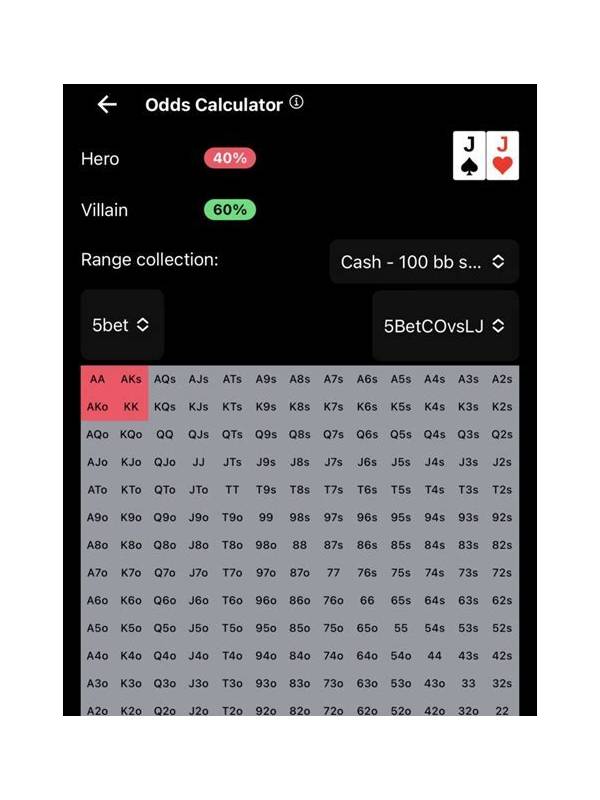
Rummy Comparison: Exact Odds and Practical Ranges
Exact odds and practical ranges answer different questions when you evaluate an uncertain rummy draw. [...]