Rummy Guide: Build a Reliable Card-Sorting Routine

Card sorting is not just a cosmetic preference. A consistent arrangement reduces search time and helps you notice whether a card has a real connection. When cards are moved randomly after every draw, the hand can look different without actually becoming stronger. A reliable routine gives every new card a known place.
Begin by separating cards into completed groups, promising groups, and loose cards. Completed groups should remain visually distinct, but do not declare them permanently untouchable until the rules confirm they can be used safely. Promising groups need more analysis: note whether they are pure sequences, impure sequences, sets, or only pairs. Loose cards belong together so their penalty and release options are visible.
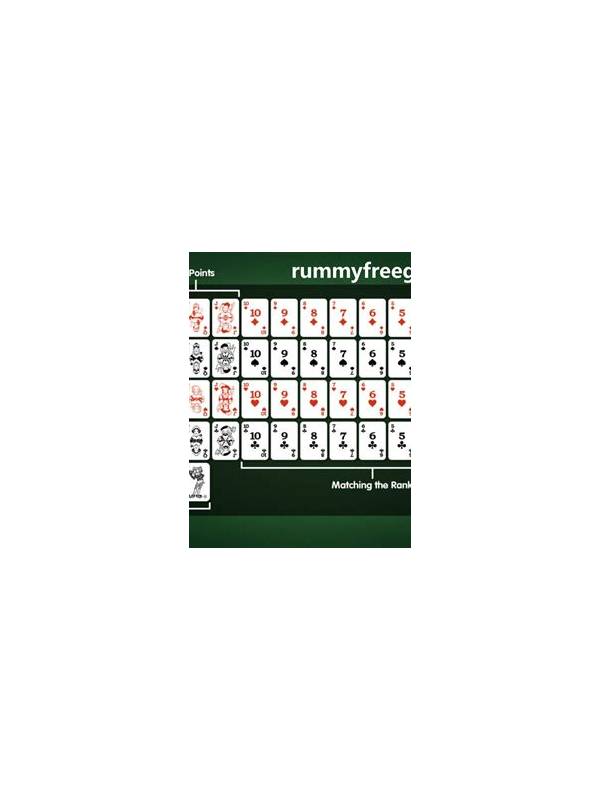
Within each group, sort by suit and rank in a consistent direction. For a sequence, keep the numbers in order. For a set, place equal ranks together and keep different suits easy to distinguish. If the digital table already uses a useful automatic order, check that it does not mix cards from separate plans in a way that hides a gap.
After every draw, perform the same four actions. Place the new card. Check whether it completes a group. Check whether it creates a better connection than an existing card. Then identify the weakest card for possible discard. Doing these actions in order prevents the excitement of a useful draw from crowding out the release decision.
Use a small gap mark when a sequence is incomplete. A run such as four, six, seven should not be read as a finished three-card group; the missing five matters. Likewise, a pair should be marked as a pair, not mentally upgraded to a likely set. Accurate labels prevent accidental declarations and help you compare plans honestly.
Avoid over-sorting during a timed turn. The goal is clarity, not a perfect visual display. If the hand contains many cards, make the most important distinctions first: valid structure, high penalty, and narrow draw. You can refine the layout after the turn if the interface and rules allow it.
Practice the routine with a physical deck or a note grid. Deal a sample hand, sort it in under a minute, and explain the job of each card. Repeat with a different hand. The exercise builds recognition without financial pressure and exposes which layouts cause confusion.
A good sorting system should still work after an awkward draw or a change of plan. If moving one card forces you to rebuild the whole hand, the system may be too rigid. Keep the structure simple, visible, and tied to decisions. Better sorting does not change the cards, but it improves the quality and speed of the information you can use.
Related Post

Rummy Accessibility Settings Worth Checking
A few device and app accessibility settings can make online rummy easier to read and [...]
Rummy Tips: Turn a Mistake Into a Specific Practice Drill
Convert a vague feeling of playing badly into one repeatable exercise for the next session. [...]