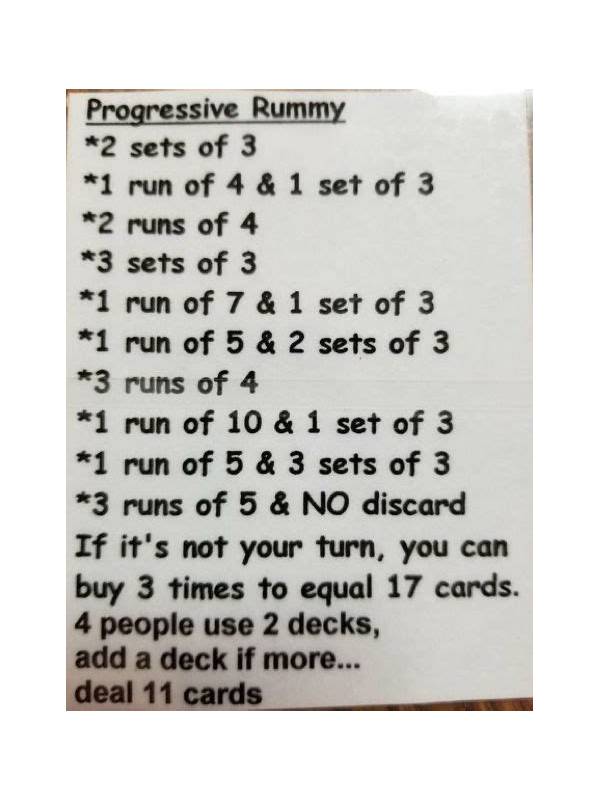
Rummy Guide: Build a Small Vocabulary of Hand Patterns
Many rummy decisions repeat in different forms. You may often see one completed group beside two connectors, several medium cards in one suit, or a hand divided into pairs with no sequence. Building a small vocabulary for these shapes makes review faster. The names are not official rules; they are private labels for recurring problems.
Choose plain labels that describe structure. “One anchor and loose ends” could mean one strong group with several unmatched cards. “Two-route pair” could describe a pair whose members also connect to neighboring ranks. “Narrow ladder” could describe a promising sequence that depends on one missing card. The label should remind you what needs attention without telling you what decision to make.
When a new hand begins, identify its broad pattern in a few seconds. Then ask what the pattern needs. An anchor-and-loose-ends hand may need a low-risk discard. A narrow ladder may need a deadline. A pair-heavy hand may need more attention to sequence requirements. This turns a vague impression into a specific question.
Keep the vocabulary small. Five or six useful labels are better than a long catalogue that slows play. Review your labels after a session and remove any that overlap. A good label should be easy to recall under time pressure and should describe cards you can actually see.
Use labels for learning, not superstition. If you call a hand a “narrow ladder,” do not automatically discard it. Check how many routes remain, what evidence is visible, and what the cost of waiting might be. The label is a prompt for analysis, not a verdict.
Patterns can also help with post-session review. Instead of recording only whether you won, note which shape appeared and where it changed. You may discover that you handle a pair-rich hand well but hold narrow routes too long. That insight is more actionable than a general statement that the session went badly.
Over time, the vocabulary becomes a compact mental map. You recognize the structure, name the main issue, and choose a test for the next turn. Because the names are your own, they can reflect the decisions you actually face. A small pattern language therefore turns experience into reusable knowledge without pretending that any hand can be solved by a label alone. A label can also describe the stage of a hand, such as “stable,” “testing,” or “tightening.” Combining a structural label with a stage label gives a quick reminder of urgency. A narrow ladder in the testing stage may deserve a deadline, while the same ladder in a tightening stage may need immediate reassessment.
Related Post
Rummy How-To: Use a Three-Question Discard Pause
Three quick questions can catch legality, penalty, and flexibility problems before a discard is confirmed. [...]
Rummy How-To: Make a Simple Hand-Strength Snapshot
A quick snapshot of structure, flexibility, and risk can make post-draw decisions easier to compare. [...]