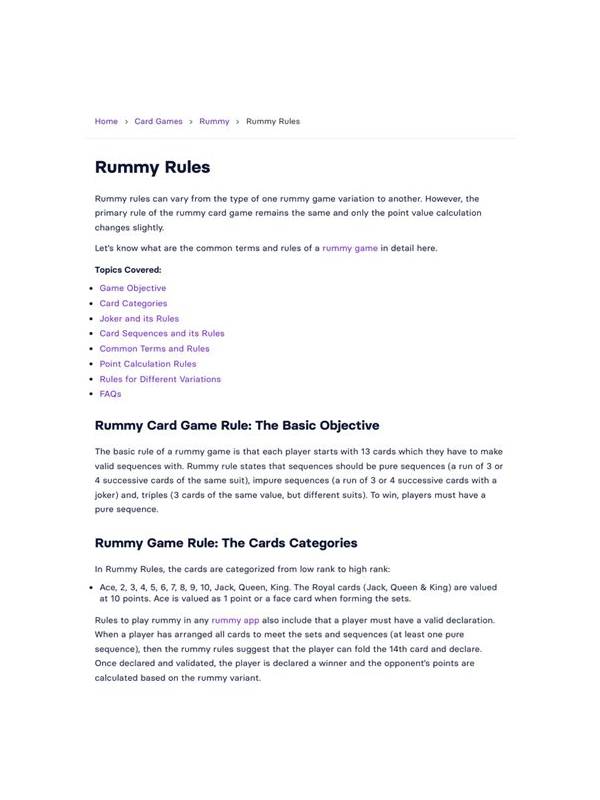
Rummy Guide: Compare Hands by Number of Remaining Routes
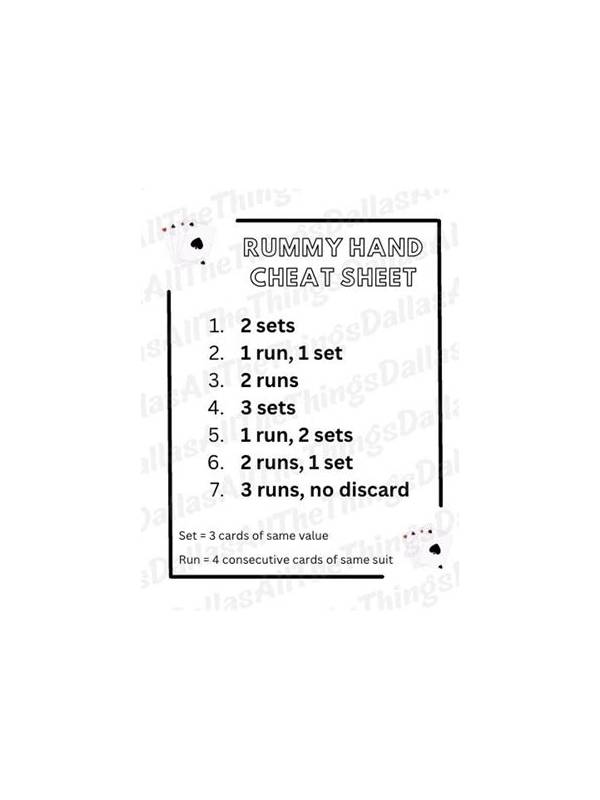
When two rummy hands look equally promising, compare their remaining routes rather than their visual neatness. A route is a realistic sequence of draws and discards that could turn an unfinished group into a legal completed group. This does not require exact probability calculations. It is a disciplined way to ask how many different improvements remain available.
Begin by writing down each unfinished group. For a suited run, note the missing ranks and whether the gap is inside or at an edge. For a set, record the ranks of the same-value cards still needed. Then remove duplicate routes that depend on the same missing card. Three ideas that all require one unavailable card are not three independent opportunities.
Next, inspect the cost of each route. A route is stronger when it needs one card and leaves a useful hand after the draw. A route is weaker when it needs several exact cards, forces you to break a completed group, or creates a high-point leftover while you wait. Two hands can have the same number of routes but very different costs.
Use a small comparison table: unfinished group, missing card, cards that can be discarded, and what the hand looks like if the route fails. This table keeps attention on options. It also prevents a dramatic near-run from receiving more credit than a quiet pair of broad, low-cost improvements.
Do not treat the count as a guarantee. Unknown cards remain unknown, opponents may take visible discards, and platform rules can affect what is legal. The purpose is to compare structure at the present moment. Recalculate after a meaningful draw, a useful discard, or a rule discovery.
You can make the comparison more precise by separating routes that share a card from routes that do not. A hand with two independent one-card improvements may deserve more attention than one with four ideas all waiting for the same rank. Also mark whether a route creates a legal required group or only reduces loose-card points. Completion requirements should receive priority over cosmetic improvement. Keep the notes temporary; once the next choice is made, clear the list so it does not compete with the live hand.
For practice, deal two sample hands and give yourself three review turns. At each turn, record the number of distinct routes and one route you intentionally reject. Afterwards, review whether the rejected route was too narrow, too expensive, or simply less valuable than another. This builds the habit of comparing alternatives without pretending to know the next card.
Related Post
Rummy How-To: Explain a Discard Without Outcome Bias
A structured explanation separates what was known at the time from what the later draw [...]
Rummy Joker Management: Keep Flexibility Under Control
Jokers are flexible rummy cards, but assigning them carefully can protect both structure and scoring. [...]