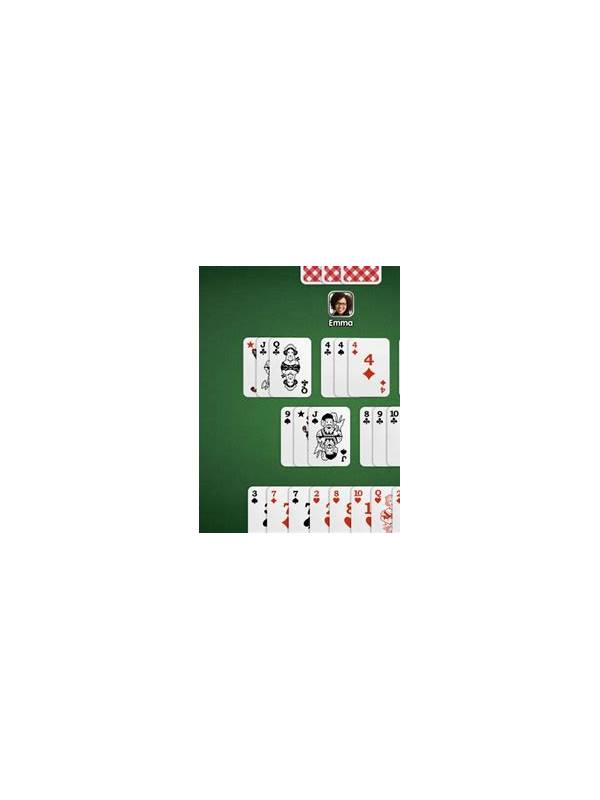
Rummy Guide: Build a Draw-to-Discard Routine
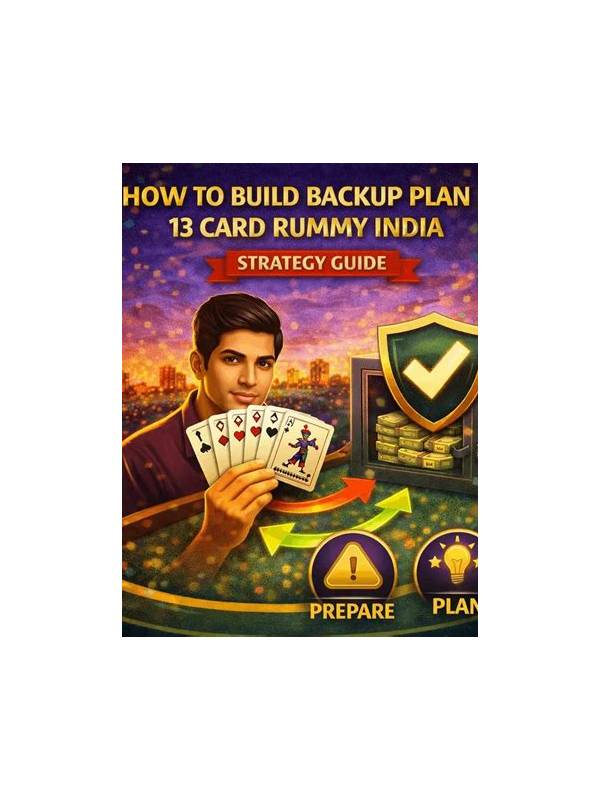
Every turn in rummy contains two linked decisions: what new information to take and what information to remove. Treating the draw and discard as separate habits can make the second choice automatic. A draw-to-discard routine keeps them connected without forcing a player to calculate every possibility.
Begin by identifying the purpose of the draw. You may be looking for a card that completes a developing sequence, supports a set, lowers point exposure, or simply gives more information. Naming the purpose prevents a useful-looking card from changing the whole plan before it has been examined. If the draw does not serve the current purpose, classify it as a weak improvement rather than a success.
Next, place the new card into the hand’s structure. Check whether it joins a secure group, strengthens a developing group, or remains loose. Then look at the card that became less useful because of the draw. Sometimes a new card replaces an old connector; sometimes it reveals that another card has no role. Do not assume the newest card must be discarded or kept.
Before releasing a card, compare three effects: legal progress, point exposure, and future flexibility. A discard that improves one category may damage another. A low card can be the only bridge to a sequence, while a high card can be safe to keep if it completes a legal group. Use the table’s rules and the remaining turn pressure to weight the comparison.
Finish by stating the reason briefly. “The new card completes a stronger route,” “this card has no support,” or “I am protecting the required sequence” are useful explanations. With practice, the routine becomes quick: purpose, placement, replacement, comparison, reason. It keeps each turn grounded in evidence and makes later review far more useful.
During practice, write down the routine once or say it quietly. Notice where the process breaks: perhaps you choose a discard before checking legality, or you evaluate point value without considering replacement cost. Correct the first missed step rather than adding a complicated rule. The routine should remain usable when the clock is moving and the layout is crowded. A reliable sequence of small checks is more valuable than an elaborate analysis that cannot be repeated.
Related Post
Rummy Comparison: Keeping Pairs Versus Keeping Connectors
Pairs and connected cards offer different kinds of potential, so compare their routes instead of [...]
Rummy Safety: Check Device Privacy Before a Session
A pre-session privacy check protects accounts and personal information on shared or frequently used devices. [...]