Rummy Guide: Label Cards by Their Next Job
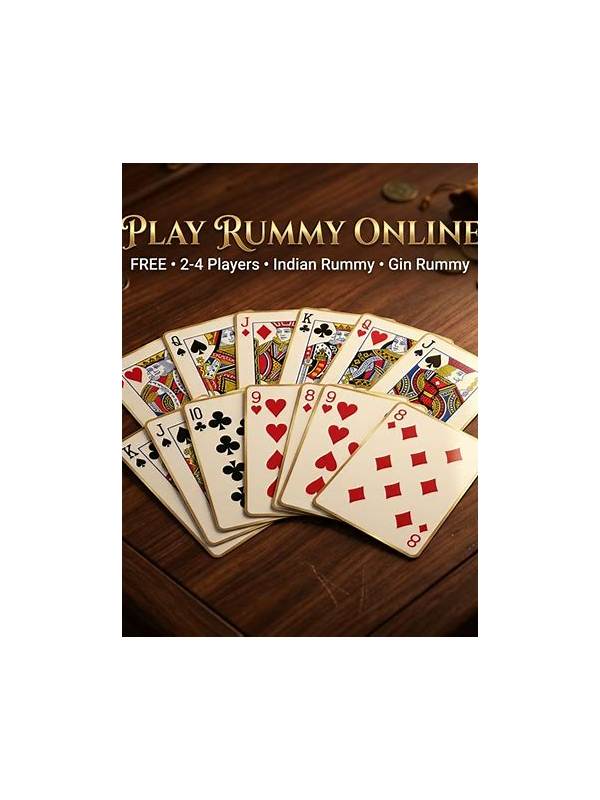
Cards become easier to evaluate when each one has a next job. A job might be extending a confirmed sequence, protecting a required structure, testing a broad route, or leaving the hand at the next discard. Cards without a credible job deserve closer attention.
Start with confirmed jobs. A card already inside a valid group can be labeled “protect.” Do not remove it casually just because another card looks exciting. Then label flexible cards as “connect,” but only when they have at least two realistic uses. A card waiting for one exact result is “test,” and the test needs a deadline.
High isolated cards can be labeled “cost.” This does not mean they must be discarded immediately. It means their point exposure is visible in the plan. If a high card later joins confirmed work, update its label. If it remains expensive and speculative, compare it with safer alternatives.
Use the labels after every meaningful draw. A card’s job can change as the hand develops. This prevents early assumptions from becoming permanent. The labeling process should take only a few seconds; its value comes from making the next decision explicit.
During practice, arrange sample cards and write one job beside each. Then make a discard and check whether the remaining jobs are balanced. If most cards are labeled “test,” the hand may be too speculative. If everything is labeled “protect,” you may be refusing to release weak commitments.
The purpose is not to create a rigid system. Jobs are temporary descriptions that connect cards to actions. They help you see which cards support the present plan, which cards are waiting for evidence, and which cards are costing space without a clear reason. Jobs should be short verbs such as protect, extend, test, and release. If a card’s job never changes despite new evidence, it may reveal a habit of holding commitments too long. Use short verbs such as protect, extend, test, and release. If a card’s job never changes despite new evidence, it may reveal a habit of holding commitments too long. Review jobs after a draw, not only after the final result. The labels are temporary and should change as the hand develops. A card can move from test to protect, or from connect to release. That movement is evidence of adaptation. If your labels never change, you may be describing an old plan rather than the current hand.
Related Post
How to Separate Rummy Skill Practice from Real-Money Play
Separating learning exercises from financial play makes progress easier to measure and risk easier to [...]
Rummy Strategy: Compare Card Value With Information Value
The best discard is influenced by both its points and what it tells other players [...]