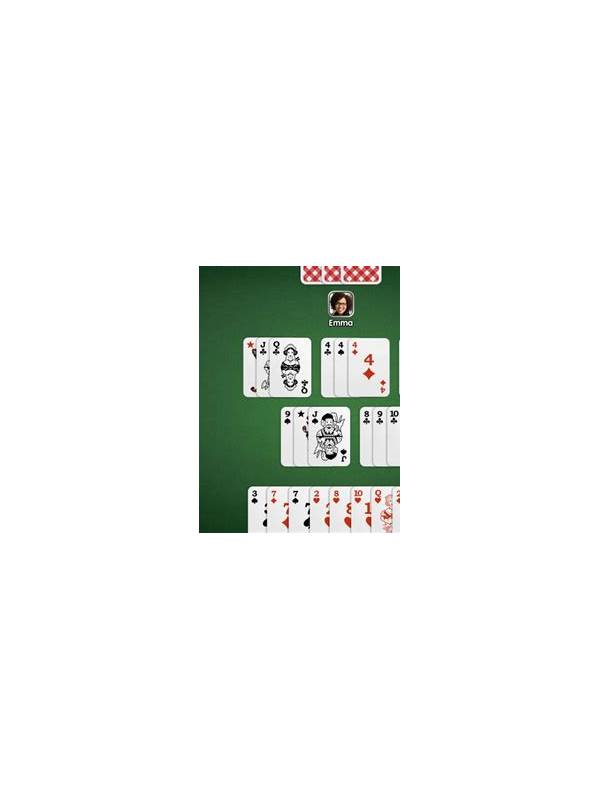
Rummy Guide: Create a Last-Three-Turn Plan

When only a few turns appear to remain, players often rush. A last-three-turn plan does not predict the cards; it sets priorities for the information that is still available. The plan should be short enough to use under pressure and flexible enough to change when a new card alters the hand.
Begin by identifying the hand’s most realistic route. Name the groups that are already secure, the group that needs improvement, and the card that is least useful if no improvement arrives. This prevents every possible route from receiving equal attention. A narrow route can be kept, but only with an explicit reason and a turn limit.
For the first of the three turns, look for information and flexibility. Compare the available draw with the cards you already hold. If the draw does not improve the strongest route, consider whether it makes a safer change elsewhere. Avoid taking a card simply because it is visually close to a group.
On the second turn, reduce unnecessary uncertainty. Reassess any group that has failed to improve and release a route that has become too narrow when a better alternative exists. Check point exposure and confirm that the remaining cards still have a legal purpose. This is often the moment to stop experimenting.
On the final turn, verify rather than improvise. Sort the hand, check every group against the applicable rules, and make sure no card has been counted twice. If the hand is not ready, do not let the feeling of a deadline replace analysis. Follow the table’s actual rules and choose the clearest legal action available.
Afterward, review whether the plan improved clarity, not whether it guaranteed a result. A useful plan helps you prioritize, recognize a dead end, and leave enough time for verification. It cannot control the draw. Treat it as a small decision framework that protects attention when the hand becomes tense.
Related Post
Rummy Connection Problems: A Calm Recovery Checklist
A practical checklist helps online rummy players protect a hand when a connection becomes unstable. [...]
Rummy FAQ: Why Should Every Card Have a Job?
This FAQ explains how assigning a role to each card makes difficult rummy decisions easier [...]