Rummy Guide: Make a Pre-Declaration Validation Pass
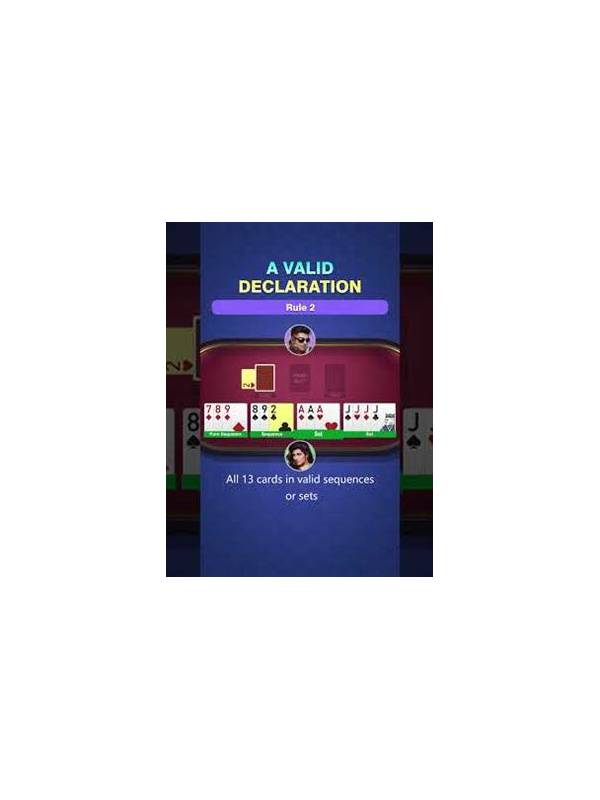
Treat validation as a separate skill
Building a promising hand and proving that it qualifies are different tasks. The excitement of completion can make you skip the second task. A validation pass creates a deliberate boundary: stop rearranging for a moment, then inspect the proposed declaration as if you were checking someone else’s work.
Check the table format
Confirm the current format’s required sequences, sets, pure groups, joker treatment, and declaration procedure. Do not import assumptions from a different app or table. If the interface displays a rules summary, consult it before the hand begins. When rules are unclear, use the platform’s official explanation and avoid making a high-pressure declaration based on memory alone.
Validate group by group
For every sequence, check suit and order. For every set, check rank and the format’s suit restrictions. Identify the exact card represented by each joker and make sure no card is being counted twice. Keep the groups visually separated. A neat layout is not proof, but it makes errors easier to detect.
Trace the complete hand
Count each card once from the first group to the last. Then look for leftovers, duplicate use, or a card that was silently moved while you were focusing on another group. Check that the required pure group is still pure after every rearrangement. If you changed one group to improve another, repeat the trace rather than trusting the previous check.
Confirm the action
Make mistakes visible
A validation error is often easier to prevent with layout than memory. Leave space between groups, keep jokers visibly marked, and avoid declaring while cards are still moving. These small interface habits make the same rule checks faster and reduce avoidable last-second confusion.
If you discover an invalid group during review, identify the exact rule or card that caused the problem. Was a suit mismatched, was a joker assigned incorrectly, or was a loose card overlooked? Write that detail down and practice the same check on the next hand. Repeating a correction is more effective than merely promising to be careful. Over time, the pass becomes dependable.
Before pressing the final control, verify that you are on the intended table and that the confirmation screen reflects your groups. If the hand does not pass, do not keep clicking in frustration. Continue according to the rules, note the source of confusion, and review it later. A calm validation pass is fast, teachable, and valuable in every format.
Related Post
Rummy Safety: A Pre-Login Device Check for Shared Networks
A quick device and network check helps players protect account access before beginning a rummy [...]
Rummy FAQ: What Should You Do When No Card Improves Your Hand?
When every draw seems unhelpful, a structured reset can protect your options and reduce rushed [...]