Rummy Guide: Map Your Hand Before the First Discard
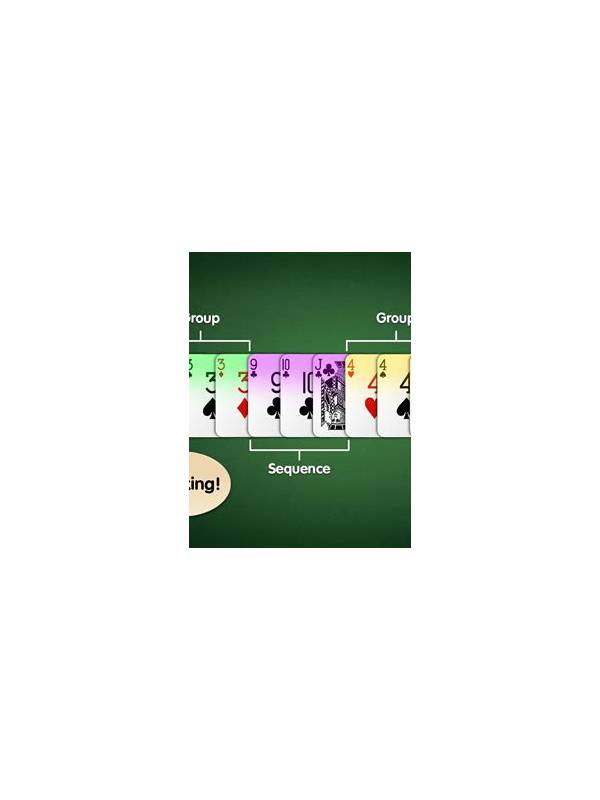
The first discard in a rummy hand often feels like a guess because players see thirteen separate cards instead of a small number of possible structures. A quick hand map changes that. Before choosing a card, group what you hold by suit, rank, and connection. The aim is not to predict the whole hand. It is to identify which cards already have support and which ones are expensive passengers.
Start with obvious completed or nearly completed groups. A same-suit run with two cards is a live possibility, while a matching pair may become a set. Keep these groups visually separate from isolated cards. A card that belongs to two possible groups deserves a mark because it is flexible; a card that belongs to none deserves immediate attention.
Next, label each card as strong, conditional, or weak. Strong cards already sit in a sequence or set. Conditional cards need one specific neighbor or one of a few ranks. Weak cards have no clear route and may carry a high penalty if retained. This classification is more useful than simply sorting high cards from low cards. A high card inside a promising run may be safer than a low card standing alone.
Then count the missing links. If seven and nine of one suit are separated by an eight, the route is narrow but clear. If you hold three cards that could join several different sets, the route is broader. When two groups compete for one card, record that conflict rather than pretending both plans are equally likely.
Only after mapping should you compare discard candidates. Prefer removing a card with no credible route, especially when it is not helping a pair, run, or flexible bridge. Avoid breaking a completed structure for a vague improvement elsewhere. If every card has some value, choose the one whose replacement would create the largest number of new routes.
This method also creates a useful reset after each draw. Update the map instead of clinging to the plan made at the start. Good rummy decisions are repeated assessments: what is formed, what is close, what is blocked, and what is now unnecessary. A thirty-second map can make the first discard deliberate without making the game slow.
Keep the map descriptive rather than predictive. You do not need to announce that a particular card is destined to arrive. Simply record the routes that are open and the cost of each route. This prevents a lucky early connection from making you overconfident. It also makes a later change easier: when a card stops fitting, you can remove it from the map without feeling that you have abandoned a promise. Clear categories create better decisions than dramatic stories about what the deck should do next.
Related Post

How to Choose a Comfortable Rummy Table Stake
A clear staking method helps recreational rummy players keep every table within a planned budget. [...]
Rummy Comparison: Written Notes Versus Mental Tracking
Written notes and mental tracking serve different rummy practice needs, and combining them can improve [...]