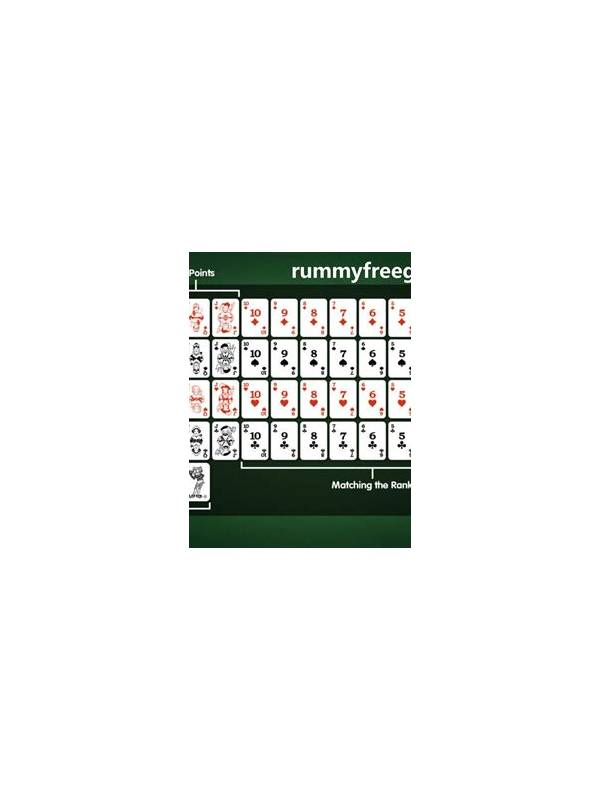
Rummy Guide: Map Sequences by Distance to Completion
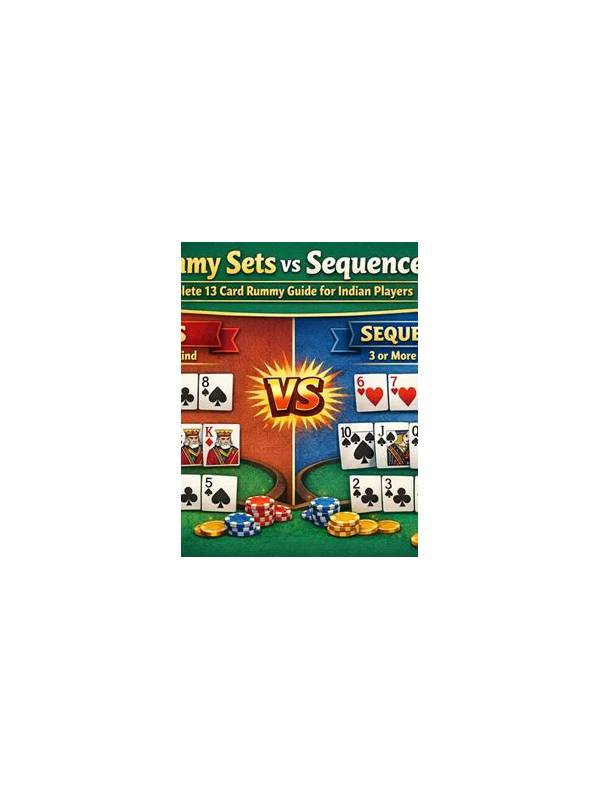
In a rummy hand, two cards that look similar can have very different practical value. A pair next to one another may need one exact card, while a three-card run may already be complete. Mapping each possible sequence by its distance to completion gives you a calm way to compare those situations.
Start by listing the cards that could belong together. For a suited run such as 5-6-7, the group is complete under the usual sequence rules. For 5-6, the missing link might be 4 or 7, so its distance is one card, but it has two useful directions. For 5-7, only 6 completes the middle gap. This distinction matters: both groups contain two cards, yet the first has more ways to improve.
Give every candidate group three notes: cards already held, exact missing cards, and whether the group can accept more than one rank. Then mark the group as complete, one card away, or a speculative connection. A speculative connection is not automatically bad; it simply needs a clear reason to remain in the hand. The note prevents an attractive pair from quietly receiving the same confidence as a finished meld.
Next, compare the map with your other groups. If two candidate sequences need the same missing card, count that card only once. The overlap means your hand may appear to have several outs while really depending on one narrow draw. If one group needs a card already visible in the discard pile, reduce its practical priority unless the rules make another copy available.
Use the map again after each draw. A new card can finish a group, create a second route, or make an old plan redundant. The goal is not to predict the winning hand perfectly. It is to keep the distance, flexibility, and overlap of each plan visible so that your next discard is based on the whole hand rather than on the most exciting pair.
An easy worksheet is to draw three columns headed “group,” “needs,” and “backup.” Fill it in before making a difficult discard. The backup column can name a second sequence, a lower-penalty release, or the point at which you will stop chasing. This makes the map useful even when the hand changes quickly.
Keep the worksheet provisional. A distance of one is only a structural description; it is not a promise that the missing card will appear. Pair it with table information and a time limit, then let the next draw update the plan. That balance keeps the map practical rather than overly mechanical.
Related Post
Rummy Tips: Label Cards by Job, Not Just by Suit
Organize a rummy hand around each card’s current role to make useful changes easier to [...]
Rummy Endgame Choices: Protect a Nearly Complete Hand
Rummy Endgame Choices: Protect a Nearly Complete Hand offers practical guidance for clearer, safer, and [...]